The Patio Stone Decision Looks Different When You Live in Ithaca
Most patio stone comparisons written for general audiences treat material selection as primarily an aesthetic decision. In Ithaca, it’s an engineering decision first and an aesthetic decision second. The Finger Lakes region puts outdoor hardscape through conditions that expose every weakness in a material choice, from the weight of lake-effect snow pressing down through a wet winter to the aggressive freeze-thaw cycling that starts in November and doesn’t fully relent until April. Which patio stone is best for your property depends heavily on what that stone needs to survive here.
Homeowners in Cayuga Heights and East Ithaca deal with a specific combination of mature tree canopy, clay-heavy soil, and seasonal moisture that makes patio installation more demanding than a comparable project in a milder climate. The wrong stone choice, or the right stone choice over a poorly prepared base, produces the same result: a patio that starts lifting, cracking, and separating within a few seasons. This article covers the two most commonly installed patio stone options in the Ithaca area, how each performs under real Finger Lakes conditions, and what separates a patio that lasts from one that needs to be rebuilt.
Key Takeaways
- Which patio stone is best for an Ithaca property depends on site conditions, drainage, and freeze-thaw performance, not just visual preference.
- Flagstone and concrete pavers are the two most proven patio materials in the Finger Lakes region, each with distinct performance profiles.
- Base preparation is the single most important factor in patio longevity in Ithaca’s climate, more important than stone selection itself.
- Clay-heavy soils throughout Ithaca require deeper excavation, compacted gravel base layers, and active drainage planning to prevent frost heaving.
- Patio installation in the Ithaca area typically costs $18 to $35 per square foot installed, with site complexity and material choice affecting where a project lands in that range.
- Professional installation consistently outperforms DIY attempts in this climate because base preparation and drainage routing require equipment and technique that first-time installers rarely have.
Which Patio Stone Is Best: A Practical Overview for Ithaca Properties
Answering which patio stone is best requires starting with what the patio actually needs to do. A ground-level backyard patio on a flat lot with good natural drainage has different requirements than a raised terrace on a South Hill slope with drainage pressure from uphill and root competition from established trees. Material selection that ignores those site-specific variables produces recommendations that sound good in a showroom but underperform in the field.
VP Designs Lawn & Landscape approaches patio projects with a site evaluation before any material conversation happens. That evaluation looks at how water moves across the property, what the soil profile looks like beneath the proposed installation area, what grade changes need to be accommodated, and what the homeowner wants the space to accomplish. The stone sitting on top of a finished patio is the visible result of decisions made several layers below it.
The two materials that consistently perform well on Ithaca residential properties are natural flagstone and concrete pavers. Both have decades of demonstrated performance in Zone 6a and colder climates when installed correctly. Both fail predictably when installed over inadequate bases or without drainage planning. Understanding the specific strengths and trade-offs of each material in this climate gives you a genuine basis for the decision rather than a preference based on catalog photos.
For a broader view of how patio installation connects to steps, walkways, and retaining walls as part of a coordinated outdoor space, the full scope of hardscape and stonework options becomes relevant once a site has been evaluated as a whole system.
Natural Flagstone: Character, Complexity, and Climate Considerations
Natural flagstone remains the material many Ithaca homeowners picture first when thinking about a patio. Its appeal is genuine: irregular stone slabs with natural variation in color and texture produce surfaces that feel rooted in the landscape rather than manufactured. On wooded properties, older home lots, and sites where a formal engineered look would feel out of place, flagstone reads as the natural choice.
Bluestone is the strongest flagstone performer in the Finger Lakes climate. It’s dense enough to resist moisture absorption, which is the critical factor in freeze-thaw durability. Stone that absorbs significant water is stone that expands and contracts with every freeze cycle, leading to surface spalling, joint cracking, and eventual slab fracture. Bluestone’s low absorption rate makes it far more durable in Ithaca winters than softer options like sandstone or some limestone varieties, which look similar but degrade faster under freeze pressure.
Slate is another natural stone option that appears on Ithaca properties, particularly on older installations. It splits cleanly into relatively consistent thicknesses, which can simplify installation compared to irregular bluestone slabs. However, slate’s layered structure makes it more vulnerable to delamination under freeze-thaw stress, and thinner slate pavers can crack under point loads like patio furniture legs. For a primary entertaining patio, bluestone outperforms slate on durability.
Dry-laid versus wet-laid installation is a consequential choice for flagstone patios in Ithaca. Dry-laid flagstone, set in compacted stone dust over a gravel base, can flex slightly through freeze-thaw cycles rather than cracking under frost pressure. Wet-laid flagstone over a concrete slab produces a tighter, more refined surface but is far less forgiving when frost lifts the base. In Ithaca’s climate, mortared joints over a concrete base almost invariably develop cracks within a few winters as the slab moves. Dry-laid installations over properly prepared bases consistently outlast wet-laid work here.
The irregular thickness of natural flagstone slabs means each piece requires individual setting to achieve a level surface. That handwork is skilled, time-consuming, and reflects in project cost. It’s also one of the reasons flagstone patios done correctly look the way they do: each stone is individually placed and adjusted, not set to a uniform formula.
Concrete Pavers: Engineered Performance With Broad Design Range
Concrete pavers have earned a strong track record in cold climates because they’re manufactured specifically to handle freeze-thaw stress. High-density pavers carry low water absorption ratings and compressive strength specifications that exceed most natural stone options. That engineering background gives pavers a performance advantage in climates like Ithaca’s that isn’t always obvious from looking at the finished surface.
Individual unit replacement is one of the most practical advantages pavers offer over natural stone. If a paver cracks, chips, or shifts, the affected unit can be pulled and replaced without disturbing the surrounding installation. With natural flagstone, a cracked slab often requires resetting adjacent pieces to maintain a consistent surface. Over the life of a patio that faces Ithaca winters, the ability to address isolated damage without a major repair project is a meaningful practical benefit.
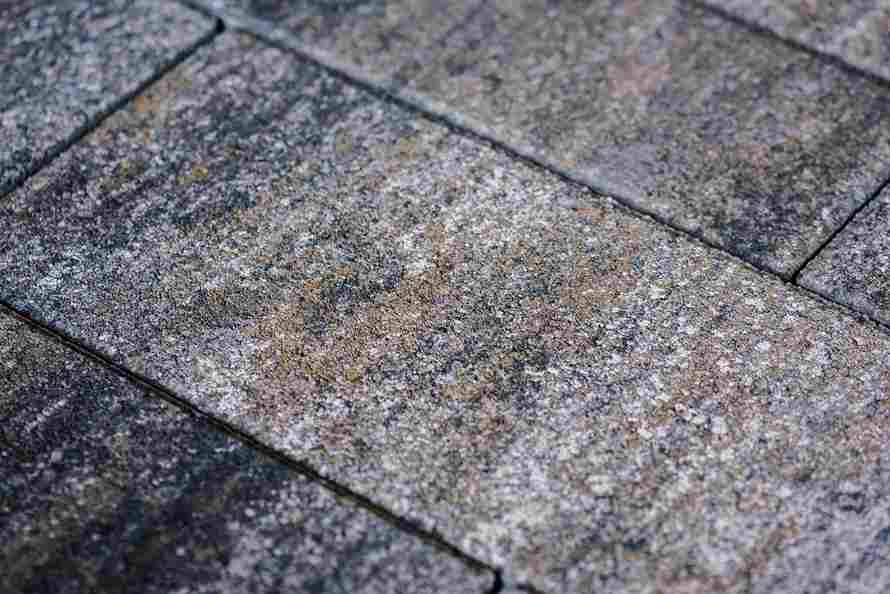
The design range available in concrete pavers today is wide enough that the association many homeowners have with uniform, utilitarian surfaces no longer reflects what’s available. Tumbled pavers in varied color blends, large-format dimensional units, and multi-piece patterns produce surfaces that read as traditional and natural rather than industrial. For patios where a consistent, geometric layout suits the architecture of the home, pavers deliver that result more reliably than natural stone.
Cost for concrete paver patios in the Ithaca area falls within the same general range as flagstone: $18 to $35 per square foot installed. Premium paver products and complex laying patterns push toward the upper end. The base preparation cost is essentially identical across both materials because the soil and frost conditions in Ithaca set those requirements regardless of what surface material goes on top. A contractor who quotes significantly different base specifications for pavers versus flagstone on the same site deserves a follow-up question.
One genuine trade-off with concrete pavers is UV fading over time. Lower-quality units show that fading unevenly, which affects the appearance of the finished surface after several years of sun exposure. Investing in a quality product from a reputable manufacturer at the outset avoids that outcome. Your contractor should be able to speak specifically to which paver products hold color well in the Ithaca climate.
Professional Installation vs. DIY: Where Ithaca Properties Punish Shortcuts
The gap between a professionally installed patio and a DIY attempt shows up clearly in Ithaca within two to three seasons. Most DIY patio projects don’t fail because the homeowner chose the wrong stone. They fail because base preparation and drainage routing require equipment, material knowledge, and technique that most first-time installers don’t have access to.
Excavation depth is the most commonly underestimated variable. A patio base in Ithaca needs to extend deep enough to account for frost penetration and to provide a stable, well-draining base that doesn’t shift when soil moisture changes. DIY projects that excavate four inches when eight or ten are appropriate end up with patios that frost-heave noticeably within the first winter. Correcting that means pulling the entire surface apart, re-excavating, and starting over, which costs more than professional installation would have.
Compaction technique is the second major failure point. A gravel base that looks level and feels solid underfoot before installation can still shift significantly under load and frost pressure if it wasn’t compacted with proper equipment in appropriate lifts. Rental plate compactors help, but inexperienced operators frequently leave soft spots that show up as settled areas in the finished surface within a season or two.
Drainage routing is the third. A patio that pitches water toward a foundation or collects runoff along its perimeter creates moisture problems that affect both the hardscape and the structure it sits near. Professional installers evaluate the site’s drainage patterns before the first stone is set and build pitch and outlet routing into the installation from the start. DIY installers frequently discover drainage problems after the patio is done, at which point the fix requires undoing completed work.
Properties in Collegetown and Forest Home, where older lots often have compact yards, established root systems, and drainage patterns that aren’t immediately obvious, are particularly prone to these complications when base work is approached without proper site assessment.
Seasonal Timing for Patio Installation in Ithaca
The installation window for patio stone in Ithaca runs from late April through mid-October, driven by ground conditions and temperature requirements for stable base compaction and, where applicable, mortar curing. Ground that is still frozen or saturated from snowmelt in early spring cannot be properly excavated or compacted, and a base built under those conditions will settle unevenly as soil dries and stabilizes.
Late spring through early summer is the strongest installation window. Soil has dried sufficiently from spring runoff, temperatures are stable, and a full warm season ahead allows new plantings around the patio perimeter to establish before winter. Booking a consultation in late winter or early spring is the practical move for homeowners who want a summer installation, because reputable contractors in Ithaca fill their spring and early summer slots well in advance.
Fall installations through mid-October work well for dry-laid projects that don’t require mortar curing time. The consideration is that any soil disturbed during base excavation needs to stabilize before ground freeze, and late-season projects leave little margin for addressing any issues that surface after completion. A fall installation on a well-understood site with straightforward drainage is generally fine. A complex project with significant grading or drainage work benefits from the longer correction window that spring provides.
Scheduling a site visit early also allows time for material ordering, particularly for natural flagstone where slab selection and availability can affect project timing. You can get that process started through the contact page well before the installation season opens.
Alongside patio installation, homeowners often address lawn and planting areas around the new hardscape as part of the same project scope. Connecting patio work with professional landscape maintenance planning ensures that the surrounding lawn and beds are managed in a way that supports the hardscape rather than working against it over time.
If your property includes areas where turf struggles under shade or heavy use, incorporating artificial turf installation into the project scope is worth discussing, particularly for zones adjacent to a new patio where foot traffic concentrates and natural grass has difficulty establishing.
VP Designs Lawn & Landscape installs patios throughout Ithaca, New York and the surrounding areas using materials and base specifications matched to the real demands of Finger Lakes terrain and climate. Call (607) 592-5505 to schedule a site assessment and get a clear, honest answer to which patio stone is best for your specific property and goals.
Frequently Asked Questions About Which Patio Stone Is Best
Q: Which patio stone holds up best through Ithaca winters?
A: Dense, low-absorption materials perform best through Finger Lakes freeze-thaw cycles. Bluestone and high-quality concrete pavers are the two most proven options in this climate. Softer natural stones like sandstone absorb more moisture and are more vulnerable to surface spalling and cracking after repeated freeze cycles. Base preparation quality matters as much as material selection in determining long-term performance.
Q: How much does a patio cost to install in the Ithaca area?
A: Patio installation in Ithaca typically runs $18 to $35 per square foot installed, with material choice, base conditions, and site complexity determining where a project lands in that range. Properties with significant grade changes, root obstacles, or drainage challenges sit toward the higher end. A site visit is the only reliable way to produce an accurate number for a specific property.
Q: Is flagstone or concrete pavers better for a backyard patio in Ithaca?
A: Both perform well when properly installed. Flagstone, particularly bluestone, suits properties where a natural, organic aesthetic fits the surrounding landscape. Concrete pavers offer more consistency, easier repair of isolated damage, and slightly more predictable performance across a wide range of site conditions. The right answer depends on the property’s character, the site’s drainage profile, and the homeowner’s long-term maintenance preferences.
Q: What causes patios to heave and shift in Ithaca winters?
A: Frost heaving is the primary cause, driven by moisture in the base or surrounding soil expanding during freeze cycles. Ithaca’s clay-heavy soils retain moisture rather than draining freely, which amplifies that pressure beneath paved surfaces. Patios built on insufficient base depth or without drainage routing to carry water away from the installation are most vulnerable. A properly prepared base that drains freely and extends to appropriate depth resists heaving effectively.
Q: Can I install a patio myself to save money in Ithaca?
A: Surface laying is manageable for experienced DIYers on small, flat projects with straightforward drainage. Base excavation, compaction, and drainage routing are where most DIY patio installations in Ithaca fall short. Getting those stages wrong means the patio needs to be pulled apart and rebuilt, often within two to three seasons, at a cost that typically exceeds what professional installation would have run initially.
Q: How do I maintain a stone patio through Ithaca winters?
A: Avoid rock salt on natural stone surfaces, as it accelerates surface deterioration and damages jointing material. Use sand-based ice melt products instead. Keep joints clear of debris before winter, address any loose or shifted stones promptly, and inspect the surface after frost season each spring to catch movement early before small shifts compound into larger instability.
Q: Does a patio add value to a home in the Ithaca real estate market?
A: A professionally installed patio adds usable outdoor living space and signals quality maintenance to prospective buyers. In Ithaca’s market, where many older properties have no defined outdoor living area or have aging concrete that has deteriorated, a properly built stone patio stands out. Return on investment depends on overall property condition and project quality, but well-executed hardscape consistently improves both perceived and appraised value.
Conclusion
Deciding which patio stone is best for an Ithaca property comes down to understanding what the material needs to survive here, not just what it looks like in a showroom. Bluestone and quality concrete pavers are both capable of lasting decades in the Finger Lakes climate when the base beneath them is built to the depth and specification that Ithaca’s soil and frost conditions actually require. The stone on top is what you see; the work underneath is what determines whether it stays that way.
Professional installation means the base gets done correctly the first time, with drainage planned before the first stone is set and compaction done with proper equipment rather than approximated by hand. That foundation is what separates a patio that looks the same in year fifteen as it did in year one from one that becomes a repair project by year three. In a climate as demanding as Ithaca’s, that difference is not subtle.