
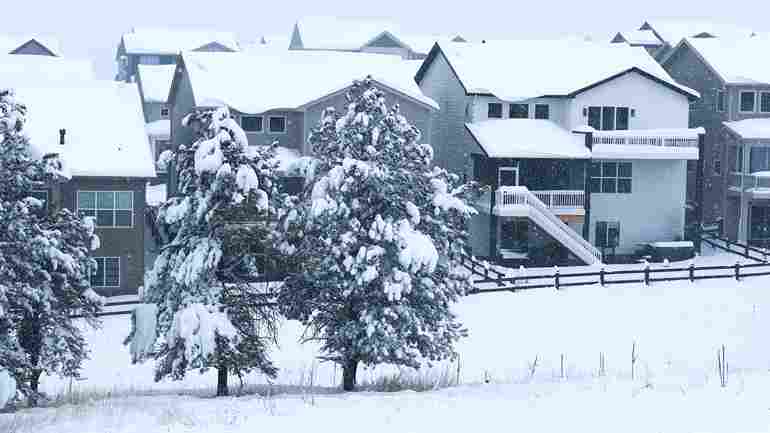
Ithaca doesn’t get polite little snowfalls that dust the lawn and melt by noon. This is a Finger Lakes city where Cayuga Lake fuels intense lake-effect bands that can bury a driveway in a few hours flat. Homeowners in Cayuga Heights wake up to wind-driven drifts piled waist-high against garage doors, while properties on West Hill deal with ice-coated slopes that turn a simple trip to the mailbox into a hazard.
That’s why understanding what is snow management matters here more than in most regions. It’s not just about owning a shovel or having a neighbor with a plow truck. Snow management is a structured, season-long system that keeps your property safe, accessible, and protected from the damage that Ithaca winters hand out to unprepared homeowners. This article covers exactly what snow management includes, why your property needs it, and what separates a real winter plan from simply reacting to every storm.
Key Takeaways
- Snow management is a full-season system that covers plowing, deicing, walkway clearing, weather monitoring, and property protection from November through April.
- Ithaca’s lake-effect snow, steep terrain, and freeze-thaw cycles create winter conditions that require proactive planning rather than reactive shoveling.
- Professional snow management reduces slip-and-fall liability, prevents ice damage to hardscape surfaces, and saves homeowners significant time and physical strain.
- Seasonal contracts offer predictable monthly costs and guaranteed service regardless of how many storms hit in a given month.
- Signing a contract by October ensures your property is covered before Ithaca’s first measurable snowfall, which often arrives in late November.
- The right deicing materials and application methods protect both people and property surfaces through the coldest stretches of winter.
What Is Snow Management and What Does It Actually Cover?
Snow management is the organized approach to keeping a property safe and functional throughout the entire winter season. It goes well beyond snow removal, which is simply the act of clearing snow from a surface after it falls. Management includes the planning, monitoring, treatment, and maintenance that happen before, during, and after every storm event from the first snowfall in late autumn through the last surprise storm in spring.
A complete snow management program typically includes several coordinated services. Snow plowing clears driveways, parking areas, and access lanes. Sidewalk and walkway shoveling handles the areas plows can’t reach. Deicing and anti-icing applications address ice formation on all surfaces. Weather monitoring triggers service at the right time based on real conditions rather than guesswork. Snow stacking management directs heavy accumulation away from structures, plantings, and drainage paths.
VP Designs Lawn & Landscape builds snow management programs around each property’s layout, grade, and exposure to Ithaca’s specific winter patterns. That includes understanding which side of a driveway drifts first during northwest lake-effect bands, where roof runoff refreezes on walkways below, and how much salt a stone patio can handle before surface damage becomes a concern. These details matter in a climate where winter lasts five months and conditions can shift from rain to ice to heavy snow within a single 24-hour period.
For Ithaca property owners, snow management also addresses legal obligations. The City of Ithaca requires property owners to clear public sidewalks within 24 hours after snowfall ends, with fines for noncompliance. A professional management program handles this automatically, keeping you in compliance without having to track every storm yourself.
Why Ithaca’s Climate Demands Professional Snow Management
Plenty of cities get snow. What makes Ithaca different is the combination of factors that turn ordinary winter weather into a property management challenge. Understanding what is snow management starts with understanding why this area specifically needs it.
Lake-Effect Snow Patterns
Cayuga Lake rarely freezes completely, which means moisture-laden air flows across the lake and dumps heavy snow on the Ithaca area from late November through March. These lake-effect bands are narrow and intense, capable of dropping 1 to 2 inches per hour for several hours at a stretch. A property in Fall Creek might get 8 inches while a property two miles south gets 3. That unpredictability makes fixed plowing schedules unreliable and puts a premium on providers who monitor conditions in real time.
Lake-effect snow is also heavier and wetter than typical frontal snow, which means it compacts faster under foot and vehicle traffic. Once compacted, it bonds to pavement and becomes an ice layer that standard plowing can’t remove. Only chemical treatment or mechanical scraping will clear it at that point, both of which cost more than timely plowing would have.
Freeze-Thaw Cycles
Ithaca’s winter temperatures don’t stay consistently cold. The region frequently swings above and below freezing, sometimes multiple times in a single week. Snow melts during a 38°F afternoon, the meltwater flows across your driveway, and then it refreezes overnight into a sheet of black ice. This cycle repeats dozens of times per season and creates conditions that are arguably more dangerous than the snow itself.
Professional snow management accounts for freeze-thaw by applying anti-icing treatments before temperature drops and monitoring conditions between storms. A property that looks clear at 3 PM can be dangerously icy by 6 PM if nobody is watching the thermometer. That monitoring component is a core part of what is snow management at the professional level, and it’s something DIY efforts simply can’t replicate consistently.
Steep Terrain
Ithaca is built on hills. Properties on South Hill, East Hill, and parts of Collegetown sit on grades steep enough that even a thin snow layer becomes a traction hazard. Flat-lot plowing advice doesn’t apply to a driveway with a 10% grade where compacted snow turns to glare ice within hours. These properties need lower trigger depths, more frequent passes, and aggressive deicing to remain safe and accessible through the season.
The Real Risks of Skipping Snow Management
Some homeowners treat snow clearing as an optional chore, something they’ll handle when they get around to it. In Ithaca, that approach carries real consequences that go beyond inconvenience.
Slip-and-Fall Liability
Property owners are legally responsible for maintaining safe conditions on their walkways and driveways. A visitor, delivery driver, or mail carrier who slips on an icy surface can file a claim against your homeowner’s insurance. Those claims drive up premiums for years and can result in lawsuits if negligence is established. Documented professional snow management with timestamped service records gives you a defensible record showing you took reasonable steps to maintain safe conditions.
Ithaca’s sidewalk ordinance adds another layer. If someone is injured on a public sidewalk you were required to clear, the liability falls on you as the property owner. Consistent snow management from a contracted provider keeps you in compliance automatically, storm after storm.
Hardscape and Surface Damage
Snow and ice don’t just sit on your property. They actively damage it. Water seeps into paver joints, mortar lines, and concrete cracks, then expands when it freezes. Over a season with dozens of freeze-thaw cycles, this process cracks stone, loosens pavers, and spalls concrete surfaces. Heavy snow loads left sitting on patios and steps for days accelerate this damage considerably.
Professional snow management protects your hardscape and stonework investment by clearing surfaces promptly and using deicing products that won’t cause chemical damage. Operators who understand your property know which surfaces are salt-sensitive and adjust their treatment accordingly. That level of attention prevents the premature aging that turns a five-year-old patio into something that looks fifteen.
Landscape Damage from Poor Snow Handling
Where snow gets pushed and piled during plowing matters more than most people realize. Snow stacked on top of shrub beds crushes branches and suffocates root systems. Heavy piles against retaining walls create excessive hydrostatic pressure during spring melt. Plows that drift too far off the driveway edge tear up lawn borders, pull out landscape edging, and gouge bed surfaces.
A professional snow management crew marks sensitive areas with stakes before the season starts and directs snow to designated stacking zones. Connecting your winter snow plan with professional landscape maintenance in the shoulder seasons means your beds, borders, and lawn areas come through winter in the best shape possible.
What Is Snow Management Costing Ithaca Homeowners?
Cost is one of the first questions homeowners ask once they understand what is snow management and decide they need it. Pricing in the Ithaca area depends on property size, service level, and whether you choose per-visit or seasonal billing.
Per-visit residential plowing typically runs $50 to $100 per visit in the Ithaca area, depending on driveway length, grade, and whether walkway clearing and deicing are included. Seasonal contracts generally fall between $150 and $400 per month, covering the full winter from November through April. Seasonal pricing locks in a flat monthly rate regardless of how many storms hit, which gives you predictable budgeting and guaranteed service.
Per-visit billing seems cheaper during a light winter, but Ithaca averages over 60 inches of snowfall annually, and heavy seasons can push past 80 inches. A single rough week of lake-effect storms can generate four or five billable visits, eating through a per-visit budget faster than a seasonal contract would have cost in total. Seasonal contracts also guarantee your spot on the route. Per-visit customers get served after contracted clients, which means longer wait times during the storms when you need service most.
You can review the full range of winter service options on our snow and ice management page to compare what each tier covers.
Professional Snow Management vs. Doing It Yourself
Understanding what is snow management also means recognizing the gap between professional service and DIY efforts. Owning a snow shovel doesn’t make you equipped for an Ithaca winter any more than owning a wrench makes you a mechanic.
The Physical Reality
Shoveling is one of the leading causes of winter cardiac events and back injuries. Ithaca’s lake-effect snow is wet and heavy, averaging around 15 pounds per cubic foot. Clearing a two-car driveway after a 6-inch storm means moving roughly 1,500 pounds of snow by hand. When storms hit two or three times per week during an active January, the cumulative strain is serious. Professional crews handle this workload with equipment designed for volume, eliminating the health risk entirely.
Equipment Gaps
Consumer snow blowers and ATV plows have hard limits. Single-stage blowers choke on wet, heavy lake-effect snow above 5 or 6 inches. They can’t cut through the compacted berms that municipal plows leave at the end of your driveway. Even two-stage machines require you to be home, awake, and outside in the worst conditions to operate them. Professional truck-mounted plows clear in minutes what takes a homeowner an hour or more, and they run 24 hours a day during active storms.
Deicing Knowledge
Most homeowners scatter rock salt and call it done, without realizing that rock salt stops working below 15°F, a threshold Ithaca regularly crosses from December through February. Under-application leaves dangerous ice patches. Over-application damages concrete, pavers, and any plantings near the treated surface. Professional operators select the right product for current temperatures, calibrate application rates to surface conditions, and protect sensitive areas like hardscape and stonework from unnecessary chemical exposure.
Timing Your Snow Management Plan for the Season
Knowing what is snow management doesn’t help much if you wait until December to act on it. The best providers in the Ithaca area fill their routes by early November, and new clients who call after the first storm get limited options at best.
September and October are the months to secure your contract. During that window, your provider can visit the property, note driveway dimensions and grade, identify obstacles and sensitive landscape areas, set snow stakes along edges, and add your address to an efficient route. Properties in neighborhoods like Belle Sherman and East Ithaca often have specific access quirks, including shared driveways, tight turnarounds, or narrow lanes, that need advance planning.
Ithaca’s first measurable snowfall typically arrives in late November, though early events in late October are not unusual. Having a contract in place before the first accumulation means coverage from day one with no scrambling. The season runs long too. Significant snow events can hit through early April, and heavy wet storms in late March are common enough that ending your contract too early is a gamble.
Bundling winter snow management with fall cleanup through a provider who offers a full range of services creates a smooth transition between seasons. Your property goes from leaf removal and bed preparation straight into winter coverage without gaps.
When you’re ready to put a real winter plan in place for your property, VP Designs Lawn & Landscape serves Ithaca, New York and the surrounding areas with snow management programs designed around local conditions and individual property needs. Call (607) 592-5505 to talk through what is snow management for your specific situation and secure your spot on the route before the season starts.
Frequently Asked Questions About What Is Snow Management
Q: What is snow management compared to just hiring a plow truck?
A: A plow truck clears snow after it falls. Snow management is a full-season program that includes plowing, deicing, walkway clearing, weather monitoring, and property protection. In Ithaca, the monitoring and deicing components are just as important as plowing because of our frequent freeze-thaw cycles.
Q: How quickly does a snow management crew respond during a storm?
A: Most Ithaca-area contracts operate on a trigger depth, usually 2 to 3 inches. Once accumulation hits that depth, service begins automatically. During heavy lake-effect events, crews make multiple passes through their routes. Contracted clients always receive priority over per-call requests.
Q: Does snow management include sidewalk clearing?
A: Yes. A complete program covers walkways, steps, and entry areas that plows can’t reach. This is especially important in Ithaca, where the city requires property owners to clear public sidewalks within 24 hours of snowfall or face fines.
Q: Will deicing chemicals damage my patio or driveway?
A: Improper deicing causes damage, but professional snow management uses products and application rates matched to your surface type. Calcium chloride and magnesium chloride blends are gentler on stone and concrete than standard rock salt, and calibrated application prevents the over-salting that causes scaling and spalling.
Q: What does a seasonal snow management contract cost in Ithaca?
A: Seasonal residential contracts in the Ithaca area typically range from $150 to $400 per month, covering November through April. The rate depends on driveway size, grade, and the services included. Seasonal pricing gives you a fixed monthly cost and guaranteed service no matter how many storms hit.
Q: Is snow management worth it for a small property?
A: Absolutely. Even small lots in neighborhoods like Fall Creek or Forest Home have sidewalk obligations and liability exposure. The time savings, physical safety, and legal protection of professional service apply regardless of property size. A smaller scope simply means a lower monthly contract rate.
Q: When should I sign a snow management contract?
A: Reach out to your provider by September or October. Most Ithaca-area companies fill their routes by early November, and waiting until the first storm means limited availability and potentially higher per-visit pricing instead of a predictable seasonal rate.
Q: Can snow management prevent ice dams on my property?
A: Snow management addresses ground-level ice on driveways, walkways, and patios. Ice dams on roofs are a separate issue related to attic insulation and ventilation. However, clearing snow from areas where roof runoff refreezes on walkways below is a standard part of professional walkway treatment in Ithaca.
Conclusion
Snow management is the difference between surviving an Ithaca winter and actually staying ahead of it. The combination of lake-effect storms, freeze-thaw cycles, and steep terrain creates conditions that punish reactive, piecemeal approaches and reward organized, season-long planning.
Your property is an investment worth protecting, and the surfaces, structures, and landscaping you’ve put money into during warmer months deserve care that extends through every season. Professional snow management delivers that care while giving you back your time, your safety, and your peace of mind from November through April.
Plan early, choose a provider who understands the Finger Lakes, and let winter be something you watch through the window instead of something you fight every morning before sunrise.