Ithaca homeowners deal with something most general landscaping guides gloss over: ground that freezes solid in January and thaws into mud by late March. In neighborhoods like Forest Home and Cayuga Heights, where mature trees, uneven terrain, and clay-heavy soil are facts of life, the difference between a functional outdoor space and a recurring maintenance problem often comes down to how well the hardscape was planned and built. Understanding what is hardscape, and what separates a quality installation from a failing one, is the first practical step toward making smart decisions about your property.
This article covers what hardscape includes, how it performs under Finger Lakes conditions, what goes wrong when it’s done poorly, and when to schedule this kind of work in Ithaca’s climate. By the time you finish reading, you’ll have a clear picture of why hardscape is worth investing in and what to expect from the process.
Key Takeaways
- Hardscape refers to the non-living, structural elements of a landscape: patios, walkways, driveways, retaining walls, steps, and stone features.
- In Ithaca’s freeze-thaw climate, hardscape installed without a properly compacted and graded base will shift, crack, and settle within a few seasons.
- Professional installation is essential because drainage planning, base depth, and material selection require site-specific judgment that generic guides consistently underestimate.
- The best installation window in the Ithaca area runs from late April through mid-October, with early fall being especially reliable for base settling before first freeze.
- Hardscape and softscape need to be planned together; well-designed hardscape controls drainage in ways that protect surrounding plantings and lawn areas.
- Costs for hardscape projects in the Ithaca area vary widely based on materials, scope, and site conditions, but quality installation upfront prevents far more expensive repairs later.
What Is Hardscape and Why It Shapes Your Entire Outdoor Space
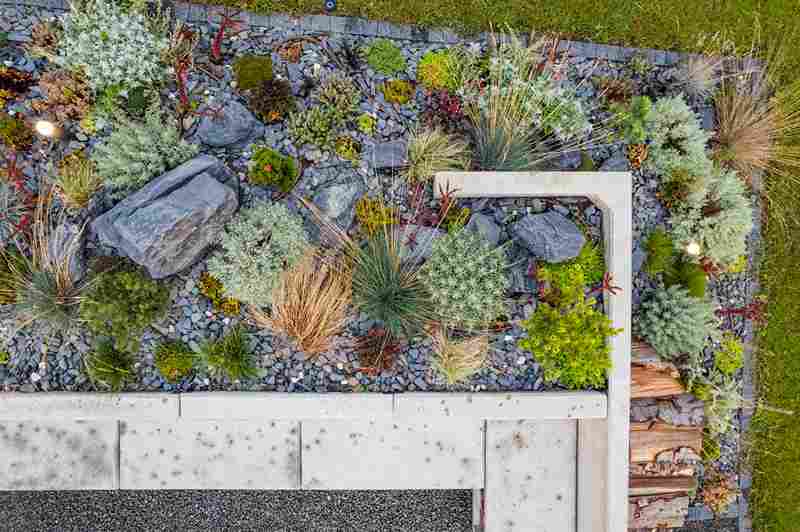
What is hardscape? In practical terms, it’s every permanent or semi-permanent non-living element in your landscape: patios, sidewalks, driveways, retaining walls, stone steps, edging, outdoor fire pit surrounds, and built structures like pergolas. It’s the constructed environment within your yard, as distinct from softscape, which covers everything living, such as lawn, trees, shrubs, and garden beds. The two systems work together, but hardscape sets the structural framework that everything else depends on.
VP Designs Lawn & Landscape approaches hardscape as structural work first and aesthetic work second. A patio or retaining wall has to function correctly, especially in Ithaca’s conditions, before it can look good. Function here means surviving decades of freeze-thaw cycles without cracking, heaving, or destabilizing the surrounding soil.
The materials that fall under hardscape are broad: natural stone like bluestone, limestone, and flagstone; manufactured concrete pavers; poured concrete; brick; gravel; and metal or composite edging systems. Each material responds differently to freeze-thaw stress, which is why material selection in the Finger Lakes region is a different conversation than it would be in a milder climate. Getting that selection wrong is one of the fastest ways to turn a good-looking installation into a costly repair.
What hardscape is matters less in the abstract than what it does on your specific site. Done right, it controls drainage, prevents erosion, creates usable outdoor living space, and adds measurable, lasting value to your property.
What Hardscape Actually Includes
The most common hardscape installations Ithaca homeowners invest in are patios and outdoor living areas, retaining walls, walkways, driveways, and decorative stone or masonry features. Each of these serves a structural function alongside its visual one, and each requires a different approach depending on site conditions.
Patios are the most requested hardscape project in the area, and costs typically run $18 to $35 per square foot installed. A natural bluestone patio on a sloped lot in South Hill involves more base work, drainage engineering, and grading than a paver patio on a flat property in Northeast Ithaca, which is why site complexity drives price as much as material choice does. Skipping steps in the base preparation to reduce cost is the single most common cause of early patio failure.
Retaining walls are another major category, especially across Ithaca’s hillside neighborhoods where spring runoff can move significant amounts of soil. These typically range from $25 to $50 per square foot for professionally built installations. A properly constructed retaining wall can stabilize a slope for thirty years or more. A poorly built one can fail in a single hard winter and send tons of soil into a lower portion of the yard.
Driveways, stone steps, and edging systems round out the most common hardscape features. These elements handle some of the hardest daily wear and weather exposure of any surface on a property. You can review the full scope of hardscape and stonework services available for Ithaca-area properties to understand what a complete installation involves.
How Ithaca’s Climate Affects Hardscape Performance
Understanding what is hardscape in a local context means understanding freeze-thaw stress. Ithaca cycles through repeated hard freezes and significant thaws each winter. Water infiltrates base layers, freezes, expands, and forces material upward. This process, called frost heaving, is the primary cause of hardscape failure in this region and the reason installation depth and drainage design are non-negotiable here.
The fix is straightforward but has no shortcuts: a compacted gravel base installed deep enough to get below the frost line or drain water before it can freeze and expand. In Ithaca’s Zone 6a climate, that typically means a base depth of at least six to eight inches for patios and more for walls. Shale-based and clay-heavy soils, common across much of the city, drain poorly on their own and make proper base engineering even more critical from day one.
Lake-effect snow off Cayuga Lake adds consistent additional pressure. Freeze-thaw cycles here happen more frequently and with greater intensity than in many parts of the state. Materials that perform fine in drier or more temperate climates can fail quickly in Ithaca if the installation doesn’t account for that reality. This is not the kind of local knowledge you find in a national how-to guide.
Good drainage design is also where hardscape connects directly to the health of your surrounding plantings. A yard with well-graded hardscape moves water away from structures and into appropriate drainage channels rather than letting it pool and saturate the soil. This is one of the reasons professional landscape maintenance and hardscape planning work best when they’re approached together.
Professional Installation vs. DIY: Where Projects Go Wrong
Many homeowners start smaller hardscape projects on their own, particularly simple walkways or contained patio areas. What most DIY resources don’t communicate clearly is how narrow the margin for error actually is. A patio that looks level at installation can develop serious drainage problems after a single Ithaca winter if the grade is off by even one or two percent.
Base preparation is where the majority of DIY projects fail. Compacting the base in layers, achieving the right grade, and managing drainage below and around the installation require experience with how specific soil types behave under load and through repeated freeze-thaw cycles. Ithaca’s clay soils are particularly unforgiving. Clay holds moisture, expands when it freezes, and compresses unevenly under weight, which creates shifting and cracking that shows up season after season.
Retaining walls present the highest risk in a DIY context. A wall without adequate batter (the backward lean that counteracts soil pressure), without proper drainage aggregate placed behind it, or with a base set too shallow can fail structurally under the weight of saturated soil. A failed retaining wall is not just an eyesore. It can move several tons of material into a lower area of the yard and damage drainage systems, adjacent structures, or utility lines beneath the surface.
Material selection is another area where professional experience changes the outcome. Choosing stone or pavers that aren’t suited to a freeze-thaw environment, or assembling a system without understanding how individual components expand and contract, leads to surface failure within a few seasons. A contractor who has worked across Ithaca’s varied terrain knows which materials hold up over decades and which ones look good in a catalog but fail in a Finger Lakes winter.
When to Schedule Hardscape Work in Ithaca
Timing matters more than most people plan for. The reliable installation window in Ithaca runs from late April through mid-October. Early spring work becomes possible once ground temperatures stabilize, typically around late April, but pushing into May reduces the risk of unexpected late frosts interfering with base settling and, for mortared installations, curing time.
Early fall, from mid-August through September, is often the most dependable time to schedule hardscape work. Temperatures are stable, the ground has had a full season to dry and settle after spring, and most projects completed by early October have adequate time to firm up before the first hard freeze. In Ithaca, that first hard freeze typically arrives in late October.
Avoid scheduling major installations in November or later. Ground temperatures become unpredictable, and any moisture trapped in a freshly laid base can cause immediate frost heave before the material has had time to stabilize. Planning ahead and reserving a spring or early fall slot is almost always the more cost-effective decision. It’s also worth considering how hardscape ties into other outdoor upgrades, such as artificial turf installation in areas where traditional grass struggles to establish or drain properly.
If you’re ready to move forward with a hardscape project, VP Designs Lawn & Landscape serves Ithaca, New York and the surrounding areas with the local experience these projects require. Call (607) 592-5505 to talk through your goals, get a realistic picture of what the scope involves, and schedule a site visit. Whether you’re still working through what is hardscape for the first time or already know exactly what you want, the team can help you plan something that performs well for decades. You can also reach out directly through the project contact page to get the conversation started.
Frequently Asked Questions About What Is Hardscape
Q: What is hardscape in simple terms?
A: Hardscape refers to the non-living, structural elements of your outdoor space: patios, walkways, driveways, retaining walls, steps, and stone features. In Ithaca, the freeze-thaw climate means these elements also need proper base installation, drainage planning, and materials suited to repeated winter stress.
Q: What’s the difference between hardscape and softscape?
A: Hardscape covers the built, non-living elements: stone, concrete, pavers, and permanent structures. Softscape covers everything living: lawn, trees, shrubs, and garden beds. On most Ithaca properties, both need to be planned together because hardscape drainage directly affects where softscape plantings can root and thrive without standing water or soil erosion.
Q: How long does hardscape last in the Finger Lakes region?
A: A properly installed patio or retaining wall in the Ithaca area can last 25 to 40 years or more. The key variable is base quality. Hardscape that fails within five to ten years almost always traces back to insufficient base depth, poor drainage design, or frost heave caused by water infiltrating an inadequate base layer over repeated winter cycles.
Q: What does hardscape installation cost in the Ithaca area?
A: Patios typically run $18 to $35 per square foot installed, and retaining walls typically run $25 to $50 per square foot. Site conditions, material selection, and grading complexity all affect the final number. A flat lot in Belle Sherman will generally cost less to work with than a steeply sloped property on South Hill, where additional drainage engineering and base work are required.
Q: Is professional installation worth it, or can I do hardscape myself?
A: Simple gravel paths or basic edging are manageable for experienced DIYers. Anything involving a structured patio, retaining wall, or meaningful drainage work is a different story. Ithaca’s clay soils and freeze-thaw conditions create failure points that DIY base preparation consistently misses, and the repair costs after a failed wall or heaved patio typically exceed what professional installation would have cost.
Q: When is the best time to start a hardscape project in Ithaca?
A: Late April through mid-October is the reliable window. Early fall, from mid-August through September, is often ideal because temperatures are stable and the ground has had time to settle after spring. Avoid late fall and winter installations; unpredictable ground freezing can cause immediate frost heave before a freshly installed base has a chance to stabilize.
Q: Does hardscape affect my property’s drainage?
A: Significantly. Hardscape that isn’t graded correctly can channel water toward your foundation or create pooling zones that saturate the surrounding soil. Good hardscape design moves water away from structures and into designated drainage paths. Exploring the full range of outdoor services available can help you understand how drainage planning fits into a complete yard design.
Conclusion
Hardscape is the structural backbone of any well-functioning outdoor space. In Ithaca, where the ground freezes deep, the soil drains slowly, and the seasons shift hard, it’s also the element that most directly determines whether your outdoor investment holds up or starts failing after a few winters. Getting it right means choosing materials suited to the Finger Lakes climate, planning drainage from the start, and building on a base that’s deep enough and compacted well enough to handle what this region delivers year after year.
The gap between hardscape that lasts a generation and hardscape that needs costly repairs in five years almost always comes down to what happens before the first stone goes down. Base depth, grading, drainage, and material selection are where professional experience pays for itself, and they’re the details that are easiest to get wrong without hands-on local knowledge.
If you’re at the stage of planning an outdoor project, start with the structure. A well-built hardscape foundation makes everything around it, from plantings to lawn care to managing snow and ice each winter, easier and more effective over the long run. The investment made in getting it right the first time is the one that costs the least over the life of your property.