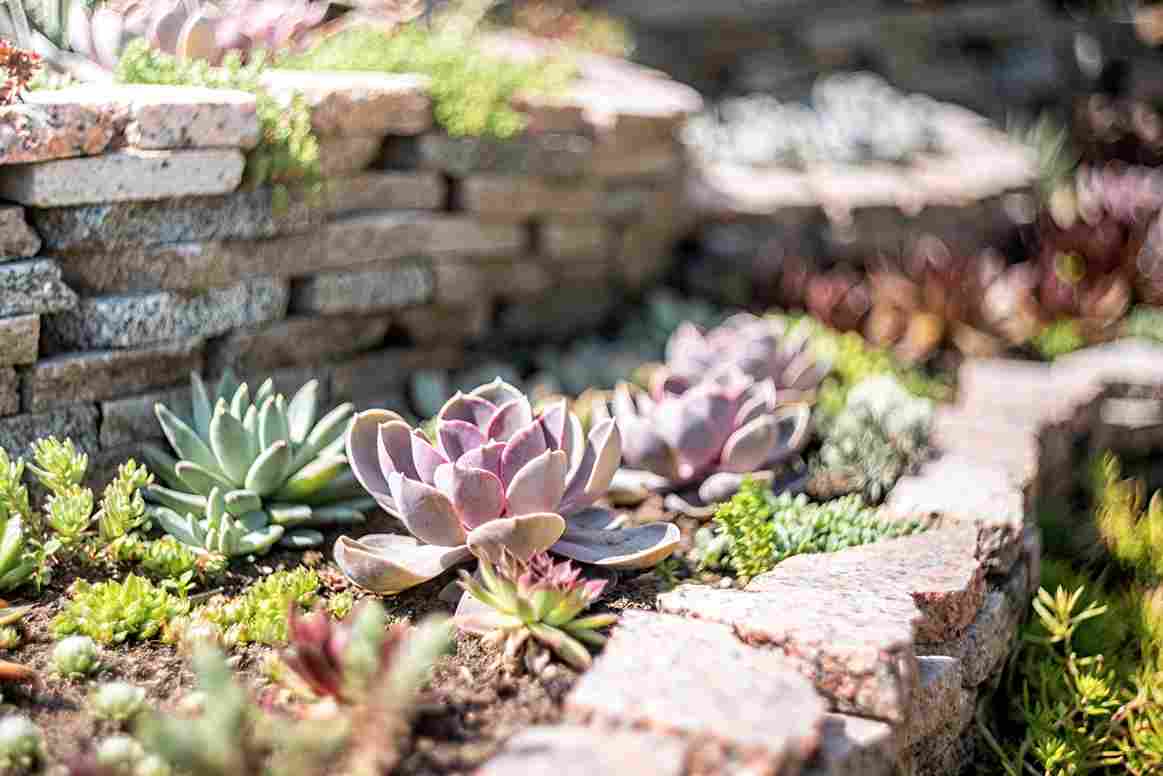
Walk through any property in Ithaca, from the mature lots of Cayuga Heights to the established neighborhoods of Forest Home, and you’ll notice a pattern. The yards that hold up best, season after season, aren’t just filled with plants, and they aren’t all stone and concrete either. They work because the hard surfaces and the living elements were planned to function together. Understanding hardscape and softscape is the foundation of any outdoor project worth doing, whether you’re adding a patio, redesigning planting beds, or taking on a full yard overhaul.
Ithaca’s terrain makes this balance particularly important. Clay-heavy soils, steep grades on hillside lots, and freeze-thaw cycles that run from November through April create real consequences when hardscape and softscape aren’t planned together. A patio that sheds runoff directly into a planting bed leads to soil erosion and root rot. A yard full of plantings with no structural hardscape to manage slope or drainage can fail after a single significant rain event.
This article explains what hardscape and softscape actually mean, how they influence each other, and what Ithaca homeowners need to know before starting any outdoor project. You’ll find coverage of installation mistakes, seasonal timing, and the real cost of getting the balance wrong.
Key Takeaways
- Hardscape includes all the fixed, non-living elements of a yard: patios, walkways, retaining walls, driveways, and edging.
- Softscape refers to every living component, from lawn grass and shrubs to trees, perennials, and ground covers.
- A balanced yard uses both elements so drainage, function, and visual interest work together across all four seasons.
- Ithaca’s freeze-thaw cycles and clay-heavy soils create specific challenges that affect both hardscape installation and softscape plant selection.
- Poorly matched hardscape and softscape leads to frost heaving, erosion, root damage to structures, and costly repairs.
- A local professional with Finger Lakes experience is the most reliable path to getting both sides of your yard working correctly for the long term.
Understanding Hardscape and Softscape in the Finger Lakes
Hardscape and softscape are the two fundamental categories that define any outdoor space. Hardscape covers every fixed, non-living element: patios, retaining walls, walkways, driveways, steps, outdoor structures, and edging borders. Softscape covers everything living: turf grass, trees, flowering perennials, ornamental shrubs, ground covers, and garden bed plantings.
A yard that is all hardscape looks harsh and sheds stormwater without absorption, which creates runoff problems. A yard with no hardscape structure becomes difficult to maintain and vulnerable to erosion, especially on the sloped lots found throughout much of the Ithaca area. The goal is a proportion and layout that fits how the yard is actually used, while holding up against the demands of a Finger Lakes winter.
VP Designs Lawn & Landscape approaches every project by evaluating hardscape and softscape together from the start. That means drainage and grading decisions account for plant placement, and softscape choices account for where hardscape elements will sit for the next twenty-plus years. Getting that coordination right from the beginning is what separates a yard that performs well for decades from one that needs repair after a few seasons.
What Is Hardscape?
Hardscape is the structural backbone of your outdoor space. It includes every feature made from stone, concrete, brick, pavers, timber, or composite material that defines how people move through and use the yard. Common hardscape elements include patios, front walkways, retaining walls, raised garden bed borders, driveway aprons, outdoor steps, and decorative edging.
In Ithaca, proper subsurface preparation is what makes hardscape succeed or fail. The freeze-thaw cycle here puts significant stress on any fixed structure: soil heaves as it freezes and settles as it thaws, and hardscape built on a poorly compacted or undrained base will shift, crack, or separate within a few seasons. Quality hardscape work means excavating to the right depth, installing a compacted gravel base, and grading for drainage before the first stone or slab is placed.
Retaining walls are among the most common hardscape needs in this region. Steep lots in South Hill and East Ithaca require walls that manage both slope pressure and drainage, not just aesthetics. You can learn more about what a properly built hardscape and stonework project looks like and what separates installation methods that perform well from those that don’t.
What Is Softscape?
Softscape is every living element of your yard, from the lawn surface to the trees anchoring your property line. This includes annuals and perennials in garden beds, deciduous and evergreen shrubs, ornamental trees, ground covers, and turf grass. Softscape adds color, texture, seasonal interest, and real environmental value: stormwater absorption, shade, and air quality.
Choosing the right plants for an Ithaca yard means working within USDA Hardiness Zone 6a, with the awareness that severe winters can push conditions into Zone 5b territory. Plants that thrive in milder climates often fail here. Native species like serviceberry, switchgrass, and Eastern redbud handle Finger Lakes winters reliably, while many imported ornamentals that look promising at the nursery in May will struggle through their second February.
Ithaca’s clay-heavy soils add another layer of complexity to softscape planning. Clay drains poorly and compacts easily, which stresses root systems and creates standing water in garden beds. Good softscape planning means amending soil at planting, matching species to the drainage and sunlight conditions of each specific area, and spacing plants correctly for their mature size. Skipping those steps is where most DIY planting projects go wrong and where replanting costs start to add up.
How Hardscape and Softscape Work Together
Every decision made on one side of a yard affects the other. Hardscape elements redirect water, and that water has to go somewhere. If a patio or walkway sheds runoff directly into a garden bed, you’ll see soil erosion and root rot within a few seasons. If a retaining wall is installed without a proper drainage layer and weep holes, water builds up behind it and compromises both the wall structure and any plantings above or below.
Softscape choices also affect hardscape over the long term. Tree root systems are one of the most overlooked risks in hardscape planning, and placing a fast-growing shade tree within six feet of a paver patio edge may look fine for the first few years. But the expanding root mass will eventually lift pavers and crack edges. Thoughtful plant placement protects your hardscape investment and keeps the yard functioning correctly as both elements mature.
For areas near hardscape features where grass is difficult to establish or maintain, there are alternatives worth considering. Artificial turf installation holds up under heavy foot traffic and eliminates the edge maintenance issues that come with natural turf near paver borders. It’s a particularly practical option for narrow strips between hardscape elements where mowing is difficult and bare soil would create erosion.
Timing Your Project for Ithaca’s Season
In Ithaca, the outdoor work window is real and limited. Hardscape installation is best completed between late April and mid-October, after the ground has fully thawed and dried out from spring runoff. Rushing work in early spring, when soils are still saturated, leads to base compaction problems that show up as settling and heaving the following year.
Softscape planting has a wider window but still requires attention to timing. Spring planting should wait until after the last frost risk, which in Ithaca often extends into mid-May. Fall planting is effective for trees and shrubs, as long as it is completed at least six weeks before the first hard freeze, typically in late October. Plants installed too late in fall don’t establish root systems before the ground closes for winter, which leads to winter kill and wasted investment.
Consistent professional landscape maintenance through spring and fall keeps both hardscape and softscape performing well between major projects. Seasonal walkthroughs catch shifted pavers, drainage problems, and plant stress before those issues require costly intervention.
What Poor Planning Actually Costs
The consequences of poorly coordinated hardscape and softscape go well beyond appearance. Frost heaving can displace pavers and crack wall faces, requiring full base reinstallation rather than a simple surface repair. Erosion from unmanaged slope runoff can strip topsoil from planting beds and undercut retaining walls in a single heavy rain event. In Ithaca, where winters are long and springs bring sustained snowmelt runoff from hillside lots, those failure points develop faster than most homeowners expect.
DIY hardscape projects most often fail at the subsurface level: insufficient excavation depth, inadequate compaction, and drainage routes that weren’t planned before installation began. DIY softscape projects tend to skip soil amendment and misjudge how large plants grow at maturity. Both types of mistakes are fixable, but correcting them after installation almost always costs more than doing the work right from the beginning. See the full range of professional landscaping services available for Ithaca-area properties to understand what a coordinated approach covers.
When you’re ready to move forward, VP Designs Lawn & Landscape serves Ithaca, New York and the surrounding areas with hardscape and softscape expertise built for Finger Lakes conditions. Every project starts with a site assessment that accounts for soil type, drainage, slope, and seasonal timing before any material or plant selections are made. From patio and retaining wall installation to planting design and softscape renovation, the team handles both sides of the project so the finished yard holds together long-term. Call (607) 592-5505 to discuss your hardscape and softscape goals, or reach out through the contact page to schedule a site visit at your property.
FAQs
Q: What is the difference between hardscape and softscape in plain terms?
A: Hardscape is all the fixed, non-living elements in a yard: patios, walkways, walls, and edging. Softscape is everything living, including grass, shrubs, trees, and garden plantings. In Ithaca yards, both are needed for drainage, visual structure, and a space that holds up through every season.
Q: Which should be installed first, hardscape or softscape?
A: Hardscape almost always comes first. Grading, excavation, and base work disturb surrounding soil and can damage plants already in the ground. In Ithaca, finishing hardscape before the fall planting window also allows softscape installation to happen on stable, settled ground and takes advantage of the best timing for both phases.
Q: How much does hardscape installation cost in the Ithaca area?
A: Patio installation typically runs $18 to $35 per square foot installed, depending on materials and site conditions. Retaining walls range from $25 to $50 per square foot. Steeper lots in areas like South Hill tend to land at the higher end of those ranges due to grading requirements and more complex site access.
Q: Can I plan and install my own patio and planting areas without a professional?
A: Homeowners can make good choices about general layout and plant preferences, but hardscape installation involves base depth, drainage, and grading that are easy to underestimate without field experience. Errors at that stage are expensive to fix after the fact, and correcting a failed base often means starting the surface installation over entirely.
Q: What plants work best near hardscape features in an Ithaca yard?
A: Low-growing, non-invasive species that don’t send aggressive root systems toward hardscape edges are the right choice. In Ithaca’s Zone 6a climate, compact ornamental grasses, creeping thyme, and native ground covers like wild ginger perform well near paver edges or wall faces. Avoid fast-growing woody shrubs planted within three feet of any hardscape structure.
Q: How does Ithaca’s climate specifically shape hardscape and softscape decisions?
A: Ithaca’s freeze-thaw cycles put real stress on hardscape bases, making proper compaction and drainage non-negotiable. On the softscape side, plants must survive Zone 6a winters that can drop into Zone 5b conditions during cold snaps. Exposed hillside lots and heavy clay soils add variables that benefit from a site-specific evaluation before any installation begins.
Conclusion
Understanding these two design categories, and how they work together, gives you a much clearer picture of what your yard actually needs before any work begins. The materials, the plants, the grading, and the drainage all connect. A decision made on one side of that equation always carries consequences for the other, and in Ithaca’s climate, those consequences show up faster than they would in more forgiving regions.
A yard where both elements are planned as a single system holds its value, requires less reactive repair, and looks better through every season. That outcome comes from the decisions made before the first stone goes in or the first plant goes into the ground, not from fixes applied after problems become visible. Getting those decisions right from the start is the difference that defines how a yard performs for the next ten to twenty years.