Most Ithaca homeowners start thinking about their outdoor space from the ground up: what plants to add, whether to reseed the lawn, how to deal with the muddy corner that never quite dries out after a wet spring. What they’re often missing is the layer that makes all of those decisions more effective. Hardscape is the structural foundation that shapes how a yard actually functions, and in a city where West Hill properties deal with serious slope erosion and Collegetown backyards are carved out of steep, narrow lots, that foundation matters more than most people realize.
Understanding what does hardscape mean in landscaping helps you see your outdoor space differently, not as a collection of individual projects but as a system where the built elements and the living elements have to work together. This article explains what hardscape includes, how it fits into a complete landscape design, what goes wrong when it’s planned or installed poorly, and how Ithaca’s climate shapes every decision along the way.
Key Takeaways
- Hardscape in landscaping refers to all the non-living, built elements of a yard: patios, walkways, driveways, retaining walls, edging, steps, and outdoor structures.
- Hardscape and softscape are designed to work together; the structural elements control drainage, define space, and create conditions where plantings can thrive.
- In Ithaca’s freeze-thaw climate, hardscape must be installed with proper base depth, drainage design, and freeze-resistant materials or it will fail within a few seasons.
- Professional installation is the reliable path because base preparation, grading, and material selection require on-site judgment that DIY guides consistently underrepresent.
- The best window for hardscape installation in Ithaca runs from late April through mid-October, with early fall being ideal for base stabilization before first freeze.
- Cutting corners on installation costs more in repairs than the savings are worth, especially in a climate as demanding as the Finger Lakes region.
What Does Hardscape Mean in Landscaping and How Does It Fit the Whole Picture
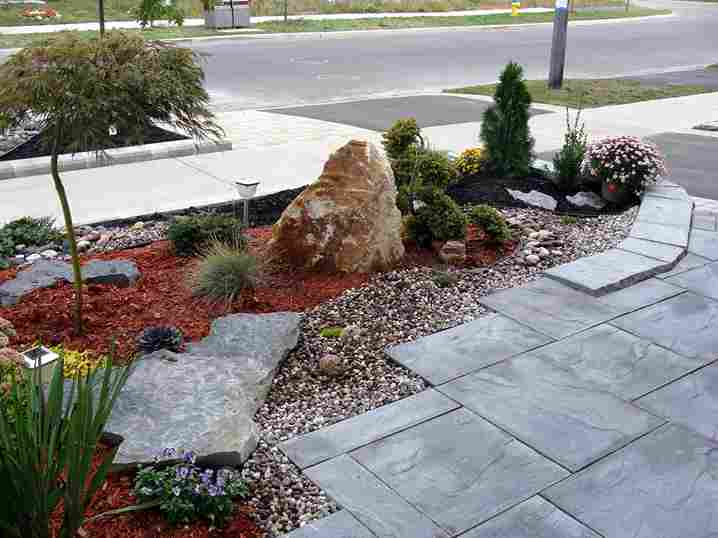
When someone asks what does hardscape mean in landscaping, the answer involves more than a definition. Hardscape is the built, non-living framework of a landscape: patios, driveways, walkways, retaining walls, stone steps, edging, decorative stone, and permanent outdoor structures like pergolas or fire pit surrounds. It exists in contrast to softscape, which covers everything living: lawn, trees, shrubs, perennials, and garden beds. Together, they make up every element of a designed outdoor space.
VP Designs Lawn & Landscape treats hardscape as the structural foundation of a landscape, not an add-on to it. A well-designed yard starts with how surfaces are graded, where water moves, and where usable space is defined before a single plant goes into the ground. In Ithaca, where soil conditions and climate stress are significant variables, this sequence matters enormously.
The relationship between hardscape and softscape is active, not passive. Hardscape controls where water drains, which directly affects where plantings can survive without root rot or drought stress. A retaining wall holds a hillside stable so that ornamental beds don’t wash out with every hard rain. A patio creates a dry, usable surface that also reduces the square footage of lawn that needs to be maintained, mowed, and watered through dry spells.
What does hardscape mean in landscaping at its most practical level? It means the part of your yard that handles the physics: load, drainage, erosion, and frost. Get it right, and everything living around it has a better chance of thriving for the long term.
The Core Elements That Make Up Hardscape in a Landscape
Hardscape in a landscape design typically falls into four broad categories: surface areas, vertical structures, transitions, and accent features. Surface areas include patios, driveways, and walkways. Vertical structures include retaining walls, garden walls, and fencing. Transitions include steps, edging, and curbing. Accent features include decorative stonework, water features, and fire pit surrounds.
Each category serves a functional role beyond appearance. A patio creates usable outdoor living space on a site where a lawn might be impractical or poorly drained. Retaining walls manage grade changes that would otherwise cause erosion and soil migration, a common issue on Fall Creek properties where natural topography creates steep lot transitions. Steps and edging define boundaries between areas and prevent mulch, soil, and gravel from migrating across a yard.
The cost of these elements varies significantly based on material and site conditions. Patio installations in the Ithaca area typically run $18 to $35 per square foot. Retaining walls generally run $25 to $50 per square foot for professionally built installations, with more complex sites requiring additional engineering for drainage and batter angle. These ranges reflect real site variation across Ithaca’s neighborhoods, and a thorough site assessment before any project is the only way to get an accurate number.
Choosing materials is also a hardscape decision with long-term consequences. Natural stone, concrete pavers, poured concrete, brick, and gravel all behave differently under Ithaca’s freeze-thaw conditions. A material that holds up beautifully in a drier climate can spall, shift, or delaminate after a few hard winters here if it wasn’t selected for this environment. Reviewing the full range of hardscape and stonework options helps clarify what materials make sense for specific projects in this region.
How Hardscape and Softscape Work Together in a Landscape
The most effective landscapes treat hardscape and softscape as a single integrated system, not two separate projects. The hardscape defines where drainage goes, which determines where certain plants can grow. The softscape, in turn, softens the edges of built elements, provides shade that slows surface heating on stone and pavers, and roots into soil that the hardscape has helped stabilize.
In Cornell Heights, where older properties often have mature canopy trees with root systems extending well beyond the drip line, hardscape design has to account for how roots will interact with base layers over time. Paving directly over significant root zones compresses soil and starves roots of oxygen. A professional designer builds transitions, uses open-jointed paving systems where appropriate, or routes walkways around the root zone rather than through it.
Drainage integration is the most critical point of overlap between hardscape and softscape. A yard where hardscape channels water toward planting beds creates waterlogged soil conditions that kill roots and invite disease. A yard where hardscape moves water away from beds and toward appropriate drainage outlets creates drier, healthier growing conditions for everything planted around it. This integration is what professional landscape maintenance depends on to stay effective season after season.
Softscape choices also affect how hardscape ages. Trees planted too close to a patio will eventually lift pavers with root pressure. Plantings without appropriate edging migrate into gravel paths or paver joints and accelerate weed growth. These interactions are predictable with experience, and a professional who has worked across Ithaca’s soil types and terrain variations knows how to plan for them before installation day.
What Goes Wrong Without Professional Installation
Understanding what does hardscape mean in landscaping also means understanding what makes it fail. The most common failure mode is base preparation. A patio or walkway installed on a base that wasn’t compacted in lifts, wasn’t graded for drainage, or wasn’t set deep enough for Ithaca’s frost line will shift, settle, and crack. This isn’t a matter of if; it’s a matter of when, and in most cases the first hard winter is when the damage becomes visible.
Retaining walls are where DIY risk is highest. A wall that lacks adequate drainage aggregate behind it will build up hydrostatic pressure from saturated soil. Wall without proper batter, the slight backward lean that counteracts soil pressure, will bow and collapse under load. A wall with a base set too shallow will heave forward during freeze-thaw cycles. Any of these failures can move significant volumes of soil into lower areas of a yard or toward neighboring properties.
Material mistakes compound over time. Using concrete pavers rated for light-duty residential use in a driveway application, or selecting a porous natural stone that absorbs water and spalls after freezing, are judgment calls that a homeowner without installation experience is not positioned to make confidently. By the time the consequence becomes visible, the installation is already failing. Repairs at that stage cost more than the original professional installation would have.
One underappreciated risk is drainage misdirection. Hardscape that sheds water toward a foundation rather than away from it creates long-term moisture problems that affect structural elements of the home, not just the yard. A professional grading analysis before installation eliminates this risk from the start.
Seasonal Timing for Hardscape
Ithaca’s installation window for hardscape runs from late April through mid-October. The ground needs to be consistently thawed and workable before base excavation and compaction can happen properly. Attempting installation too early in spring, while ground temperatures are still unpredictable and frost events remain possible into mid-May, risks disrupting a freshly placed base before it has time to set.
Early fall is often the most reliable season for hardscape projects. From mid-August through September, temperatures are stable, crews are available after the peak summer rush, and a project completed by early October has adequate time to cure and firm up before Ithaca’s first hard freeze, which typically arrives in late October. Projects finished in this window tend to perform well through the first winter without issue.
Late fall installations carry real risk. Moisture trapped in a newly placed base layer can freeze before the material stabilizes, causing immediate heave that requires correction before the project is even complete. Planning early and reserving an installation slot in spring or early fall is the decision that avoids this problem. If your outdoor plans also include lower-maintenance ground cover alternatives, understanding artificial turf installation alongside hardscape can help reduce the overall maintenance burden across your property.
Winter brings its own hardscape considerations. Ice and snow management on paved surfaces affects long-term surface integrity, and choosing de-icing products appropriate for the paver or stone type you’ve installed prevents accelerated surface damage. This connects directly to having a clear snow and ice management plan in place before the season starts.
If you’re ready to move from planning to installation, VP Designs Lawn & Landscape serves Ithaca, New York and the surrounding areas with the site-specific experience these projects require. Call (607) 592-5505 to schedule a consultation, discuss what does hardscape mean in landscaping for your specific property, and get a realistic picture of scope, timeline, and cost. You can also connect directly through the project contact page to get started.
Frequently Asked Questions
Q: What does hardscape mean in landscaping exactly?
A: Hardscape in landscaping refers to all the non-living, built elements of an outdoor space: patios, walkways, driveways, retaining walls, steps, edging, and permanent structures. In Ithaca, it also carries specific technical requirements because freeze-thaw conditions demand proper base depth, drainage planning, and climate-appropriate materials.
Q: Does hardscape include fences and outdoor structures?
A: Yes. Fences, pergolas, fire pit surrounds, outdoor kitchens, and built-in seating walls all fall under the hardscape category because they are permanent or semi-permanent non-living elements. In the Finger Lakes region, any of these structures need to account for frost movement in footings and the specific soil conditions of the site.
Q: How is hardscape different from general landscaping?
A: General landscaping often refers to the living, planted elements of a yard. Hardscape is the built structural layer: surfaces, walls, and transitions. Both are part of landscape design, but hardscape is typically installed first because it defines drainage patterns, grade, and usable space that softscape plantings depend on.
Q: What does hardscape cost in the Ithaca area?
A: Patio installations typically run $18 to $35 per square foot, and retaining walls typically run $25 to $50 per square foot. Steep or complex sites, like many properties on West Hill or in Fall Creek, can push toward the higher end of those ranges because of the additional grading, drainage work, and base engineering involved.
Q: How does Ithaca’s climate affect hardscape choices?
A: Significantly. The Finger Lakes freeze-thaw cycle means hardscape needs a compacted base deep enough to manage frost heave, drainage design that prevents water infiltration below the surface, and materials that contract and expand without cracking or spalling. Choices that work well in milder climates often fail within a few seasons here without those adjustments.
Q: Can I add hardscape to an existing landscaped yard?
A: Yes, but it requires careful planning. Adding a patio or walkway to an established yard means working around existing root systems, managing disruption to surrounding soil, and integrating the new hardscape’s drainage with whatever drainage patterns are already in place. A site assessment before any work starts prevents costly surprises during installation.
Q: What services does VP Designs offer related to hardscape?
A: From patios and retaining walls to decorative stonework and outdoor structures, VP Designs Lawn & Landscape offers a full range of outdoor services for Ithaca-area homeowners. Every project starts with a site assessment to understand the specific soil, drainage, and grading conditions before any installation begins.
Conclusion
What does hardscape mean in landscaping? At its core, it means the structural layer that every other element of your outdoor space depends on. It controls drainage, defines usable areas, manages grade changes, and sets the conditions under which your plantings, lawn, and outdoor living spaces either thrive or struggle. In Ithaca, where the climate is demanding and the terrain is rarely simple, getting that layer right from the start is what separates a yard that improves with age from one that requires constant repair.
The decisions that matter most happen before the first stone goes down: base depth, drainage routing, material selection, and site grading. These are the details that professional experience gets right and that generic guides consistently underestimate. A proper hardscape installation in Ithaca’s Zone 6a climate is a long-term investment that pays off in decades of stable, functional outdoor space.
If you’re thinking through a hardscape project for your Ithaca property, start with a clear picture of what the site actually needs. Good structure makes everything around it perform better, and the time spent planning it correctly is always worth it.