
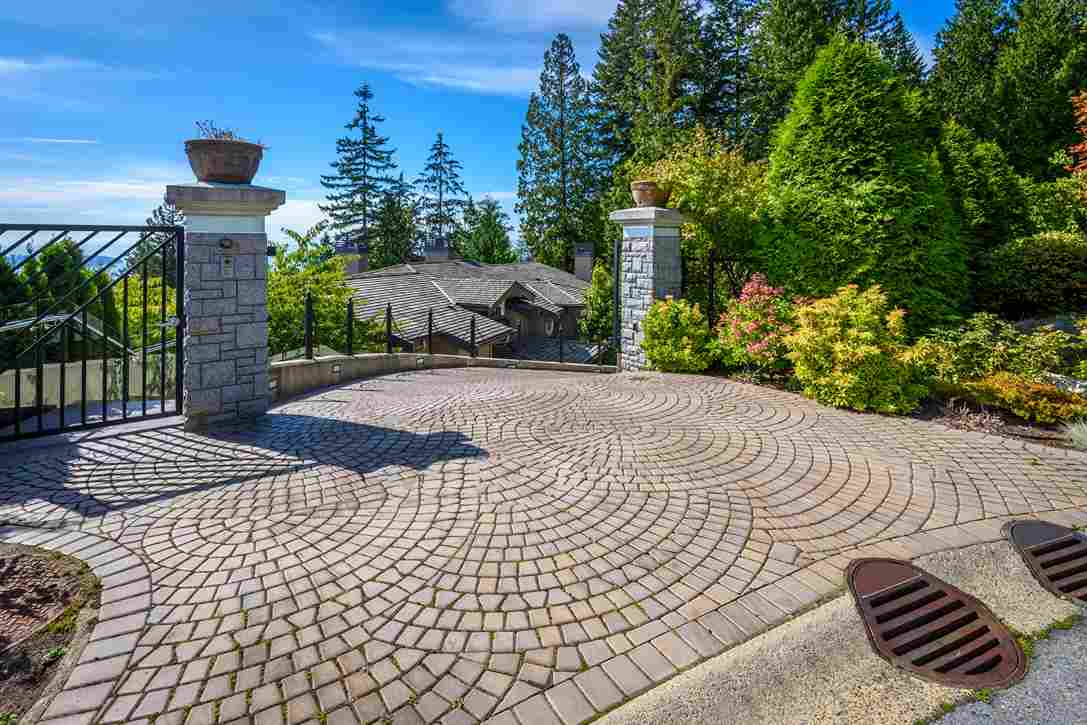
A well-built stone patio holds up to the kind of winters Ithaca delivers: hard freezes, freeze-thaw cycles that run from November through April, and spring runoff that tests every surface and joint from season to season. Homeowners in Cayuga Heights deal with dense clay soil and established tree root systems that complicate any patio installation, while properties along East Ithaca’s hillside corridors face grading and drainage challenges that make base preparation especially important. A stone work patio, planned and installed correctly for these conditions, becomes one of the most durable and high-return outdoor investments a property can have.
What separates a stone patio that holds from one that fails in this climate comes down almost entirely to what happens below the surface. The stone itself gets the attention, but the compacted gravel base, the drainage grading, and the depth of excavation are what determine whether the surface stays flat and tight or starts shifting and cracking after the first hard winter. Getting those details right from the start is the difference between a patio that lasts twenty-five years and one that needs significant repair in five.
This article covers the material options that perform best in Ithaca’s climate, what a proper stone work patio installation actually involves, what realistic costs look like in this market, and where DIY projects most commonly fall short. You’ll also find seasonal timing guidance and a breakdown of the risks that come with installation errors specific to Ithaca’s terrain and soil conditions.
Key Takeaways
- A stone work patio in Ithaca requires proper base preparation, drainage planning, and material selection suited to freeze-thaw conditions.
- Bluestone, cut granite, and high-density concrete pavers are among the most reliable material options for Ithaca’s climate; soft or porous stone types crack and spall within a few winters.
- Patio installation in the Ithaca area typically runs $18 to $35 per square foot installed, depending on materials, site complexity, and drainage requirements.
- The most common failure points in stone patio projects are inadequate base depth, poor drainage planning, and incorrect grading, all of which are expensive to correct after the surface is installed.
- The reliable installation window in Ithaca runs from late April through mid-October, after the ground has thawed and before hard freezes return.
- Professional installation from a contractor familiar with Finger Lakes conditions is the most reliable way to get a stone patio that performs correctly from the first season forward.
Stone Work Patio Options for Finger Lakes Properties
A stone work patio is a hardscape installation that uses natural stone, cut stone, or quality manufactured stone products to create an outdoor surface designed for long-term use. The category includes a range of materials and installation methods, from dry-laid flagstone set on a compacted gravel base to mortar-set cut stone on a concrete pad. Each approach has different performance characteristics, different maintenance requirements, and different suitability for the soil and climate conditions found across Ithaca-area properties.
The right material and method for a given site depend on several factors: the soil type and drainage capacity of the lot, the grade and slope of the installation area, how the patio will be used, and what level of long-term maintenance the homeowner wants to take on. These factors interact in ways that aren’t always obvious without a site evaluation. A material that performs well on a flat, well-drained lot can be the wrong choice on a clay-heavy hillside lot in a different part of the city.
VP Designs Lawn & Landscape approaches every stone work patio project by evaluating site conditions before making any material recommendations. Soil type, drainage behavior, existing grade, and how the patio connects to the rest of the yard all inform those decisions. Starting with the site rather than the stone is what produces a finished patio that holds up correctly through the years, rather than one that looks good at installation and starts showing problems when the first winter puts stress on the base.
Choosing the Right Stone for Ithaca’s Climate
Not all stone handles freeze-thaw conditions equally. Ithaca’s climate puts every outdoor material through a demanding annual cycle: repeated freezing and thawing, sustained soil movement, spring runoff, and occasional ice accumulation that sits on outdoor surfaces for weeks at a time. Choosing stone that performs well in those conditions is one of the most important decisions in any stone work patio project, and it is one that is easy to get wrong without a clear understanding of how different materials behave under cold-weather stress.
Bluestone is one of the most reliable choices for outdoor patio work in the Finger Lakes region. It is dense, low-porosity, and handles temperature variation without cracking or spalling under normal conditions. Cut granite performs similarly, with exceptional hardness and very low water absorption that holds up through hard winters. Concrete pavers manufactured to commercial density standards are also a strong option: dimensionally consistent, durable in Ithaca winters, and available in finishes that complement natural stone well. Irregular flagstone in harder varieties like quartzite can work in dry-laid applications when the base is properly prepared.
What to avoid matters as much as what to choose. Soft limestone, highly porous sandstone, and decorative stones not rated for outdoor use absorb water readily and spall at the face within a few winters. Thin veneer stone applied over a concrete base without proper adhesive selection and joint treatment is also a poor long-term choice in a freeze-thaw climate. You can learn more about specific material options and how they are matched to site conditions for hardscape and stonework projects in the Ithaca area.
What a Stone Work Patio Installation Actually Requires
The visible part of a stone patio installation, setting stone and finishing joints, represents only a portion of the actual work. What happens below ground determines how the surface performs through every season, and it is where most of the meaningful differences in quality appear. A properly installed stone work patio begins with excavation to the correct depth, typically 8 to 12 inches for most Ithaca applications, followed by subgrade compaction, a graded gravel base, and drainage planning before any stone goes down.
Base preparation in clay-heavy Ithaca soils requires particular attention. Clay holds water rather than draining it, which means that without a properly graded and draining base, moisture accumulates under the stone and accelerates heaving and settling through the freeze-thaw cycle. On sloped lots, the base also needs to be installed in a way that manages water movement under the surface rather than trapping it against the subgrade. These are details that require real field experience with local soil behavior, not just a general knowledge of patio installation.
Drainage planning extends beyond the base itself. The surrounding grade needs to direct surface water away from the house foundation and any adjacent planting areas. Joints between stones need to be filled or sealed in a way that limits water infiltration without creating a rigid surface that cannot flex slightly with seasonal ground movement. Consistent professional landscape maintenance after installation keeps joints in good condition and catches early signs of drainage problems before they compromise the base layer underneath.
Professional vs. DIY: Where Stone Patio Projects Break Down
A stone work patio draws significant DIY interest because the finished result looks manageable and the materials are accessible at most home improvement retailers. The failure points, however, are structural rather than cosmetic, and they tend to reveal themselves gradually over one or two seasons rather than at installation. That gap between visible condition and actual structural integrity is why many DIY patio projects appear successful at first while problems develop below the surface.
Insufficient base depth is the most common DIY failure in Ithaca patio projects. Most DIY guides recommend 4 to 6 inches of base material, which is adequate in milder climates but insufficient for the freeze-thaw conditions here. The result is frost heaving that shifts the stone surface unevenly, opens joints, and eventually requires full removal and base reconstruction to correct properly. Incorrect grading is the second most common problem: a surface that doesn’t direct water away from the house pushes moisture toward the foundation, creating issues that go well beyond the patio itself.
Correcting a failed base after the stone is installed is not a surface repair. It requires removing the entire installation, addressing the root cause at the subgrade level, and rebuilding from the excavation up. That process almost always costs more than a correct installation would have from the start. See the full range of professional landscaping services available for Ithaca-area properties to understand what a properly scoped patio project covers from site evaluation through final installation.
Cost and Timing for a Stone Work Patio in Ithaca
Patio installation in the Ithaca area typically runs $18 to $35 per square foot installed, with the range driven primarily by material choice, base complexity, and site access. Bluestone and cut granite installations trend toward the upper end of that range due to material cost and the precision required for proper setting. Concrete paver installations on straightforward flat lots can come in at the lower end. Sloped sites, drainage-challenged lots, and projects requiring significant regrading before installation add cost regardless of material choice.
The reliable installation window in Ithaca runs from late April through mid-October. The ground needs to be fully thawed and dry enough for base compaction to hold before work begins. Spring work attempted too early, when soils are still saturated from snowmelt, leads to a base that compresses unevenly and fails to support the stone surface correctly through the following winter. Fall installations are feasible but should wrap up before consistent below-freezing temperatures arrive, typically by late October, to allow the base to settle and cure before the ground closes.
Planning for winter protection after installation also helps a new stone patio perform well through its first season. Avoid using rock salt or calcium chloride directly on stone surfaces, as both accelerate spalling and joint deterioration over time. Proper snow and ice management practices that keep materials safe for stone protect the investment made in a quality installation through every winter that follows.
VP Designs Lawn & Landscape serves Ithaca, New York and the surrounding areas with stone work patio installation built for the demands of Finger Lakes conditions. From site evaluation and material selection through excavation, base preparation, and final stone setting, every phase of the project is handled with the kind of local knowledge that directly affects how long the finished patio holds up. The team’s experience with Ithaca’s clay soils, hillside terrain, and freeze-thaw cycle means that base and drainage decisions are made correctly from the start, not adjusted after problems appear. Call (607) 592-5505 to discuss your stone work patio project, or schedule a site visit through the contact page to get a plan underway.
Frequently Asked Questions About Stone Work Patio
Q: What stone materials hold up best for patios in Ithaca’s climate?
A: Bluestone, cut granite, and high-density concrete pavers are the most reliable choices for Ithaca patio work. All three handle freeze-thaw cycling without cracking or spalling under normal conditions. Soft or porous stone types absorb water readily and tend to deteriorate quickly in a climate where freeze-thaw cycles run from November through April.
Q: How deep does the base need to be for a stone work patio in Ithaca?
A: Most Ithaca patio installations require 8 to 12 inches of excavation and compacted base material to perform correctly through the freeze-thaw cycle. The clay-heavy soils found throughout much of the Ithaca area drain poorly, which means base depth and drainage grading are especially critical here compared to regions with lighter, better-draining soil.
Q: What does a stone work patio cost in the Ithaca area?
A: Installation typically runs $18 to $35 per square foot, depending on stone type, site complexity, and drainage requirements. Sloped lots and sites with challenging drainage access, common in neighborhoods like Cayuga Heights and East Ithaca, tend to land at the higher end of that range due to the additional base and grading work required.
Q: What are the biggest risks of installing a stone patio without a professional?
A: Insufficient base depth and incorrect grading are the two most common DIY failures. Both lead to frost heaving and surface movement that require full base reconstruction to correct, not a surface patch. Fixing a failed base means removing the entire installation and rebuilding from the excavation level, which costs significantly more than a correct installation from the start.
Q: When is the best time to install a stone work patio in Ithaca?
A: Late April through mid-October is the reliable installation window. The ground needs to be fully thawed and dry enough for base compaction to hold before work begins. Fall installations are possible but should be completed before sustained below-freezing temperatures arrive in late October, to allow the base to settle properly before winter.
Q: How do I maintain a stone patio through Ithaca winters?
A: Avoid rock salt and calcium chloride directly on stone surfaces, as both accelerate spalling and joint deterioration over time. Inspect joints each spring for cracking or separation caused by freeze-thaw movement and repoint deteriorated areas promptly to limit water infiltration. Keeping drainage clear around the patio perimeter also protects the base from moisture buildup during spring snowmelt.
Conclusion
A stone work patio is one of the most durable outdoor investments an Ithaca property owner can make, but durability is not a function of the stone alone. It comes from the base, the drainage, the material selection, and the installation methods that account for what Ithaca’s climate actually demands. A patio built with those factors addressed correctly will perform reliably for decades. One built without them will show the consequences within a few winters.
The decisions that determine how well a stone patio holds up are made before the first stone is placed: how deep the excavation goes, how the base drains, how the grade is managed, and which material is matched to the site conditions. Getting those decisions right requires experience with the specific challenges of Finger Lakes properties. That foundation is what separates a patio that holds its value and appearance long-term from one that becomes a costly repair project years too soon.