
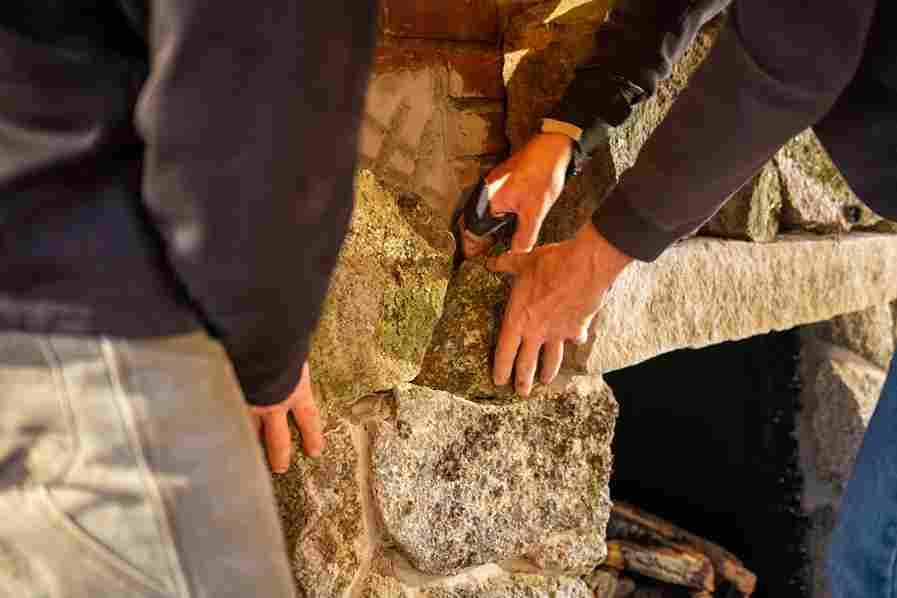
A stone fireplace surround is one of those features that defines a room. Done well, it anchors the entire space and holds up for decades without losing anything. Done poorly, it cracks, separates from the wall, or develops moisture problems that are expensive to diagnose and even more expensive to fix. In Ithaca, where older homes in neighborhoods like Forest Home and Cornell Heights often have existing masonry that’s been through sixty or seventy winters, stonework for fireplaces carries an extra layer of complexity that most general contractors aren’t prepared to handle.
Whether you’re updating an existing fireplace surround, adding a stone facade to a prefabricated unit, or commissioning a full outdoor fireplace installation, understanding what stone work for fireplaces actually involves helps you make better decisions about materials, contractors, and timing. This article covers all of it: what the work includes, what separates quality from failure, and what Ithaca homeowners specifically need to know before starting this kind of project.
Key Takeaways
- Stone work for fireplaces covers a range of projects from interior surround veneers to full outdoor masonry fireplaces, and each type has distinct structural and material requirements.
- Heat exposure, moisture cycling, and freeze-thaw stress on outdoor units demand materials and installation methods that go well beyond standard residential stonework.
- Professional installation is essential for fireplace stonework because mortar selection, substrate preparation, and code compliance require experience that generic guides don’t adequately cover.
- Outdoor fireplace installations in Ithaca must account for frost heave, proper footing depth, and drainage to perform reliably through Finger Lakes winters.
- The most common failure points in fireplace stonework are improper mortar, inadequate substrate bonding, and moisture infiltration behind the stone face.
- Planning stonework alongside a broader outdoor living design produces better results and more cohesive use of space than treating it as a standalone project.
Stone Work for Fireplaces: What the Project Actually Involves
Stone work for fireplaces encompasses more project types than most homeowners initially consider. An interior surround update is a different scope than a full masonry fireplace build. A stone veneer applied to an existing prefab firebox is a different technical challenge than a dry-stacked fieldstone outdoor fireplace with a built-in hearth. Each project type has its own substrate requirements, mortar specifications, and installation methods, and mixing up those details is where most failures originate.
VP Designs Lawn & Landscape handles stone work for fireplaces as part of its broader hardscape and stonework services, with particular experience in outdoor fireplace installations that need to perform through Ithaca’s demanding seasonal conditions. Every project starts with a clear assessment of the substrate, the site, and the intended use before material selection begins.
Interior fireplace stonework typically involves either a full-surround natural stone installation or a stone veneer applied over an existing mantel and firebox face. Both require appropriate backer materials, heat-rated mortar, and expansion joint placement that accounts for the thermal cycling a working fireplace produces. Stone that looks solid at installation but was set without proper expansion allowance will crack along mortar joints within a few heating seasons.
Outdoor fireplace projects introduce the additional variables of weather exposure, frost heave on footings, and drainage management around the base structure. In Ithaca’s Zone 6a climate, an outdoor fireplace that wasn’t built on a footing set below the frost line will shift every spring and begin separating at mortar joints within a few years.
Materials That Work and Materials That Fail
Material selection is the decision that most directly affects how stone work for fireplaces holds up over time. Not every stone performs well near heat, and not every stone performs well through freeze-thaw cycles. For interior fireplaces, those two requirements have some overlap but aren’t identical. For outdoor fireplaces, both apply simultaneously.
Natural stone options used in fireplace work include bluestone, limestone, fieldstone, slate, and granite. Each has different density, porosity, and thermal behavior. Granite handles heat well and is very dense, making it a strong choice for hearth surfaces and surround work. Limestone offers a clean, classic appearance but is more porous and requires sealing, particularly in outdoor applications where moisture infiltration behind the face is a real risk. Fieldstone is popular for outdoor fireplaces in the Finger Lakes region because of its regional character, but inconsistent joint depths and natural variation in thickness make proper installation more labor-intensive.
Manufactured stone veneer products are a common choice for interior surrounds because they’re lighter, easier to handle, and available in a wide range of profiles. Quality varies significantly between manufacturers, and products that aren’t rated for direct heat exposure or exterior use cause problems when applied in the wrong context. A manufactured veneer applied directly to a firebox face without a proper heat-rated substrate and mortar system will delaminate as thermal cycling works on the bond layer.
For outdoor units, mortar selection is as important as stone selection. Standard mortar mixes aren’t appropriate for fireplace work. Type S mortar is typically required for outdoor masonry, and refractory mortar is required for areas with direct heat exposure inside the firebox. Using the wrong mortar type is one of the most common mistakes in DIY fireplace stonework, and the failure it causes, cracking and joint separation, typically requires full disassembly to correct. The complete picture of what professional hardscape and stonework involves helps clarify why material decisions and installation methods are inseparable.
Outdoor Fireplace Installation in Ithaca’s Climate
Outdoor fireplace projects in Ithaca require a different level of structural planning than the same project in a milder climate. The freeze-thaw cycle here is not marginal. Ground that freezes to significant depth through January and February, then thaws and saturates in March, exerts real force on any structure without a properly engineered footing. An outdoor fireplace sitting on an inadequate base will move, and once the structure begins to shift, mortar joints crack, stone faces separate, and water infiltrates behind the face, accelerating the cycle of failure.
Footing depth is the most critical decision in outdoor fireplace installation. In Ithaca, footings for outdoor masonry structures need to reach below the frost line, which typically means 36 to 48 inches of depth depending on site conditions and soil type. Properties on West Hill, where clay-heavy soil holds moisture and amplifies frost heave pressure, may require additional engineering consideration beyond standard depth guidelines.
Drainage around the base of an outdoor fireplace is the second structural priority. Water that pools at the base of a masonry structure wicks upward through the stonework, freezes in cold weather, and expands in ways that force stone faces away from the substrate. Proper site grading, drainage aggregate beneath the footing, and a finished base that sheds water away from the structure rather than toward it prevent this mechanism from developing.
An outdoor fireplace also works best when it’s designed as part of a cohesive outdoor living space rather than installed as an isolated feature. A well-designed patio, seating area, and fireplace installation that were planned together look intentional and function better than elements added incrementally over time. Reviewing the full range of professional landscape services gives a clearer sense of how these elements can be integrated from the planning stage forward.
Professional Installation vs. DIY for Fireplace Stonework
Stone work for fireplaces attracts DIY attempts more than almost any other masonry project, partly because interior surround work looks approachable and partly because the materials are available through standard suppliers. The gap between what the project looks like and what it actually requires is significant, and the failure modes in this category are harder to recover from than most.
Substrate preparation is where interior surround projects most often go wrong. Stone veneer and natural stone applied to a wall surface require a substrate that can support the weight, accept the mortar bond, and resist the heat exposure from the firebox. Drywall is not an appropriate substrate for fireplace surround work. Cement board or a scratch coat over metal lath is the correct base, and skipping this step to save installation time results in a bond that fails as the wall behind the stone cycles through heat and cooling.
Expansion joints are another detail that DIY projects regularly omit. A fireplace surround that heats and cools with every use expands and contracts slightly each time. Without planned expansion joints at appropriate intervals, that movement accumulates as stress in the mortar joints and eventually cracks the stone or the mortar line, or both. This isn’t visible at installation. It develops over the first heating season and typically requires partial or full reinstallation to correct.
For outdoor fireplace projects, the risk profile is higher. A structure without proper footing depth in Ithaca’s climate will begin shifting within the first two winters. Once a masonry structure loses level, the repair options are limited. In most cases, the structure has to come down and be rebuilt from the footing up, which costs more than professional installation would have from the start. Code compliance is also a factor that DIY outdoor fireplace projects frequently miss, including setback requirements, height limitations, and local permitting requirements that apply to permanent outdoor masonry structures.
Timing and Cost for Fireplace Stonework in Ithaca
Interior fireplace stonework can be scheduled year-round since it isn’t subject to outdoor temperature constraints. Outdoor fireplace installation follows the same seasonal window as other exterior hardscape work: late April through mid-October in Ithaca’s climate. Concrete footing pours require temperatures above freezing for proper curing, and mortar applications have similar minimum temperature requirements. Early fall, from mid-August through September, is an ideal window for outdoor fireplace projects because stable temperatures allow both concrete and mortar work to cure correctly before the first freeze.
Costs for stone work for fireplaces vary by project type and scope. Interior surround work using natural stone typically runs in the range of $3,000 to $8,000 depending on the stone selected, the complexity of the surround design, and whether substrate preparation is required. Full outdoor fireplace installations are a larger investment, generally starting around $8,000 to $15,000 for professionally engineered and built masonry structures, with scope, material selection, and site complexity affecting where a specific project lands in that range.
These numbers reflect the real cost of doing the work correctly. A lower bid that omits proper substrate preparation, uses standard rather than refractory mortar, or skips footing engineering on an outdoor unit is not a savings. It’s a timeline for a repair project. If your outdoor space plans include other hardscape elements alongside the fireplace, options like artificial turf installation in the surrounding area can reduce long-term maintenance while complementing the stonework.
When the project is complete, the surfaces and surrounding hardscape need appropriate winter care. Certain de-icing products damage natural stone and mortar, and having a clear plan for snow and ice management on adjacent surfaces protects the investment through every Finger Lakes winter.
If you’re planning stone work for fireplaces on your Ithaca property, VP Designs Lawn & Landscape serves Ithaca, New York and the surrounding areas with the experience and material knowledge these projects require. Call (607) 592-5505 to schedule a consultation, discuss the scope of your project, and get a clear estimate that covers everything the work actually involves. You can also connect through the project contact page to get the conversation started.
Frequently Asked Questions About Stone Work for Fireplaces
Q: What types of stone work for fireplaces are most common for Ithaca homes?
A: Interior surround veneers using natural stone or manufactured stone products are the most common interior projects. Outdoor fireplace installations using fieldstone, bluestone, or limestone are popular for Ithaca-area properties with outdoor living spaces. Both project types require specific mortar systems and substrate preparation suited to either heat exposure, freeze-thaw conditions, or both.
Q: How long does professional fireplace stonework last?
A: A professionally installed stone fireplace surround or outdoor fireplace in the Ithaca area should last several decades without significant repair when the substrate, mortar, and expansion joints are handled correctly. Outdoor units built on proper footings and with appropriate drainage management hold up reliably through Finger Lakes freeze-thaw cycles without joint separation or stone face failure.
Q: What does stone work for fireplaces cost in the Ithaca area?
A: Interior surround projects typically run $3,000 to $8,000 depending on stone selection and substrate requirements. Full outdoor fireplace installations generally start around $8,000 to $15,000, with site complexity, footing requirements, and material selection affecting where a specific project lands. An itemized estimate that separates material costs, substrate preparation, and labor gives the clearest picture before committing.
Q: Can I add stone veneer to an existing prefab fireplace?
A: Yes, but it requires the right substrate and mortar system. Applying stone veneer directly to drywall or over an unsuitable base without cement board or a scratch coat creates a bond that fails as the surround cycles through heat and cooling. A professional assessment of the existing firebox and wall structure is the right starting point before material selection for any surround update.
Q: What makes outdoor fireplace installation in Ithaca more complex than other regions?
A: The freeze-thaw cycle here requires footings set well below the frost line, typically 36 to 48 inches, to prevent heaving and structural movement. Clay-heavy soils in many Ithaca neighborhoods hold moisture and amplify frost pressure on inadequate foundations. An outdoor fireplace that was built without this engineering in mind will begin shifting and cracking within the first two winters.
Q: Does VP Designs handle both indoor and outdoor fireplace stonework?
A: VP Designs Lawn & Landscape focuses primarily on exterior hardscape and stonework, including outdoor fireplace installations, stone patios, retaining walls, and decorative masonry. You can review the full scope of available services or reach out directly to discuss the specifics of your project and what the site conditions require.
Q: What is the best time of year to schedule an outdoor fireplace installation in Ithaca?
A: The reliable window is late April through mid-October. Early fall, from mid-August through September, is particularly well-suited because stable temperatures allow concrete footings and mortar work to cure fully before the first hard freeze, which typically arrives in Ithaca in late October. Booking a slot early in the year is the most reliable way to secure a fall installation date with an experienced contractor.
Conclusion
Stone work for fireplaces is one of the most visible and lasting investments a homeowner can make, and in Ithaca, it’s also one where the margin for error is genuinely narrow. Heat cycling stresses interior installations in ways that only proper substrate and mortar selection can handle. Freeze-thaw conditions stress outdoor installations in ways that only proper footing depth and drainage design can manage. Getting both right requires the kind of hands-on local experience that no tutorial can substitute for.
The decisions that determine whether fireplace stonework holds up for thirty years or begins failing in three all happen before the stone goes on the wall. Substrate preparation, mortar selection, expansion joint placement, and footing engineering are not visible once the project is complete, which is exactly why they matter so much and why they’re the details most likely to be skipped by less experienced contractors.
If a stone fireplace is part of your vision for your Ithaca property, invest the time in finding a contractor whose answers about those details are specific and confident. That conversation is the best indicator of whether the finished project will still look exactly right a decade from now.