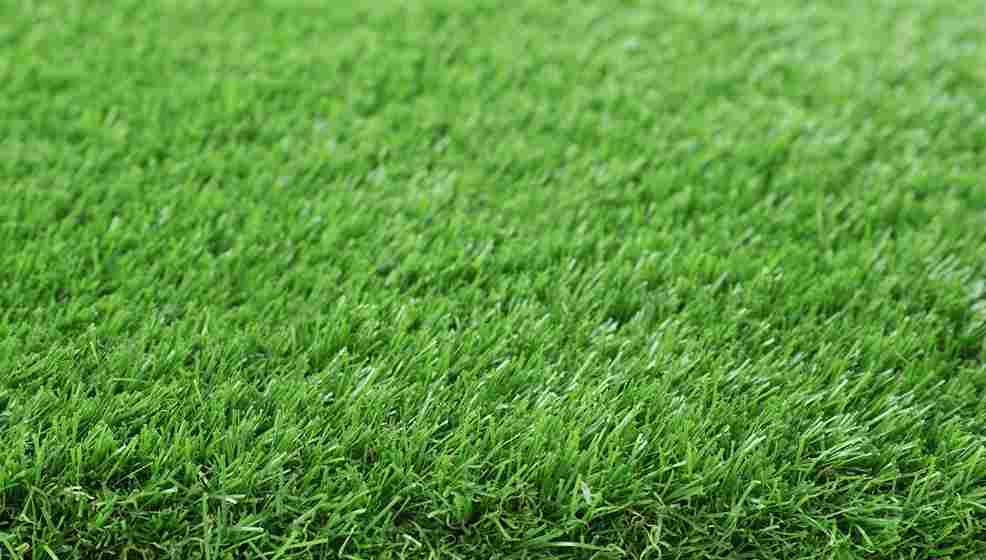
The question of how much does it cost to install artificial turf in your backyard comes up more often in Ithaca than most people expect. Natural grass in the Finger Lakes region is a real maintenance challenge: short growing seasons, clay-heavy soils that drain poorly, shaded lots under mature tree canopies, and steep grades that make mowing difficult or dangerous. For homeowners in neighborhoods like Collegetown, where compact urban backyards get heavy foot traffic and minimal sun, or on properties throughout East Ithaca where shade and root competition from mature trees makes turf establishment a constant battle, artificial turf solves problems that seeding and sodding simply can’t.
This article gives you a clear picture of what artificial turf installation actually costs in the Ithaca area, what drives that number up or down, what the installation process involves, and what separates a professional installation that holds up for fifteen years from one that starts failing after two winters. By the time you finish reading, you’ll have everything you need to evaluate your options and make a confident decision.
Key Takeaways
- Artificial turf installation in the Ithaca area typically runs $8 to $15 per square foot installed, with total project costs varying based on yard size, site preparation requirements, and product selection.
- Site preparation, including base compaction, drainage installation, and grade correction, is the most critical phase of the project and the one most often shortchanged in low-bid installations.
- Ithaca’s freeze-thaw conditions require a properly engineered drainage base beneath the turf to prevent frost heave, surface displacement, and premature seam failure.
- Artificial turf eliminates the ongoing costs of mowing, seeding, fertilizing, and irrigation while delivering a consistent surface through all four seasons.
- Professional installation is the reliable path because product selection, base engineering, and seam work require experience that directly determines how long the surface performs.
- Quality artificial turf installed correctly in Ithaca’s climate carries a lifespan of 15 to 20 years, making the upfront cost a long-term investment rather than a recurring expense.
How Much Does It Cost to Install Artificial Turf in Your Backyard: The Real Numbers
The straightforward answer to how much does it cost to install artificial turf in your backyard in the Ithaca area is $8 to $15 per square foot installed. That range covers materials and labor together, which is the only way to price it meaningfully because the two are inseparable in a quality installation. A product quoted at $4 per square foot that gets installed on an inadequate base is not a bargain. It’s a timeline for a failed surface.
VP Designs Lawn & Landscape handles artificial turf installation for Ithaca-area properties with a process that starts at the base rather than the surface. Every installation begins with a thorough site assessment to understand the existing grade, drainage conditions, and soil type before any product decisions are made. Those site conditions determine what base preparation is required, which in turn shapes the realistic cost range for a specific project.
For a typical 500-square-foot backyard installation, that range translates to a total project investment of roughly $4,000 to $7,500. Larger yards, complex grades, or sites that require significant drainage work or soil removal can push toward or beyond the upper end of that range. Smaller, straightforward installations on flat, accessible sites can come in closer to the low end. Any estimate that arrives without a site visit and a base preparation plan is not a complete picture of what the project actually costs.
The per-square-foot range also reflects meaningful variation in product quality. Artificial turf products differ significantly in pile height, fiber material, backing permeability, UV stability, and warranty coverage. A product toward the low end of the cost spectrum may look acceptable at installation but fade, mat down, or develop drainage problems within a few years. Products specified for residential use in climates with real freeze-thaw cycling, like Ithaca’s, are built to different standards and priced accordingly.
What Drives Artificial Turf Installation Costs Up or Down
Understanding how much does it cost to install artificial turf in your backyard for your specific property means understanding which site variables move the number in either direction. Knowing these factors helps you evaluate estimates accurately and understand why two similarly sized backyards on the same street can have meaningfully different project costs.
Site preparation requirements are the largest variable beyond square footage. A backyard that’s already reasonably flat and drains adequately needs less prep work than a yard with poor natural drainage, significant grade changes, or heavy clay soil that holds moisture and creates standing water after rain or snowmelt. On properties throughout Ithaca’s hillside neighborhoods, grade correction and drainage installation can represent a significant portion of total project cost. That cost is not optional. It’s what makes the surface perform correctly over the long term.
Existing surface removal adds cost when there’s an established lawn or significant organic material that needs to be stripped before base work can begin. Removing existing sod, tilling out root systems, and hauling material off-site takes labor and time that flat, bare ground doesn’t require. Properties with heavy tree root presence near the surface, common on wooded lots throughout Northeast Ithaca and Forest Home, require additional care during excavation to avoid damaging roots while achieving the necessary base depth.
Infill selection affects both cost and performance. Silica sand, crumb rubber, and organic infill options like cork or coated sand each have different price points and performance characteristics. Infill stabilizes the turf blades, adds cushion, and in the case of drainage-optimized products, contributes to water movement through the surface. The right infill choice for a backyard used by children or pets differs from the right choice for a decorative or low-traffic area.
Yard shape and complexity affect labor time regardless of square footage. A simple rectangular backyard is faster to install than a yard with curved beds, multiple levels, trees to work around, or narrow access that limits equipment use. Seam placement in non-rectangular layouts requires more planning and precision, and seam quality is one of the details that distinguishes installations that stay looking sharp from those that show wear at the joints within a few seasons. Reviewing the full scope of artificial turf installation services gives a clearer picture of what a complete professional installation involves.
Why Site Preparation Defines the Outcome
The most important thing to understand about artificial turf installation cost is that the base work beneath the surface is where the investment is being protected or wasted. Every dollar saved on base preparation is a dollar that shortens the lifespan of the surface above it, and in Ithaca’s freeze-thaw climate, that relationship is particularly direct.
Drainage is the critical engineering component in Ithaca installations. Water that doesn’t move freely through and away from the base layer freezes in place during cold weather and expands. That expansion displaces the base material, which shifts the turf surface above it. Repeated freeze-thaw cycling on an inadequate drainage base produces surface rippling, seam separation, and edge lifting that can’t be corrected without pulling up the surface and rebuilding the base from scratch. A properly engineered base, typically crushed aggregate compacted in layers with adequate grade to move water toward drainage outlets, prevents this mechanism entirely.
Base depth matters for the same reason it matters in hardscape work. A base that’s too shallow doesn’t provide enough thermal mass and drainage capacity to handle Ithaca’s winter conditions. The right depth depends on the specific site, but a professional installer working in this region knows what the local conditions require and builds accordingly. This is also why the hardscape and softscape work that surrounds a turf installation matters. A well-graded patio or walkway adjacent to a turf area contributes to overall drainage management across the yard.
Compaction quality is the detail that’s completely invisible once the surface goes down. A base that looks solid but wasn’t compacted in proper lifts with appropriate equipment will settle unevenly under foot traffic and freeze-thaw pressure. That settlement shows up as low spots, surface waviness, and drainage problems that weren’t visible at installation.
Professional Installation vs. DIY for Artificial Turf
Artificial turf is available through retail suppliers, and the product itself is something a motivated homeowner can physically handle. The gap between purchasing the product and executing an installation that performs for fifteen years is where professional experience does its work.
Seam work is the most technically demanding part of turf installation and the most visible failure point in DIY attempts. Seams between turf panels need to be cut precisely, aligned correctly so pile direction is consistent across the joint, and secured with appropriate seam tape and adhesive systems. A seam that’s slightly misaligned shows immediately. A seam that’s joined with the wrong adhesive or without adequate tape coverage will open up within the first year as the backing material responds to temperature cycling. Fixing a failed seam typically requires pulling the affected section and reinstalling it from scratch.
Turf cutting around curves, trees, and existing structures requires precision that a utility knife and good intentions don’t reliably produce. Gaps between the turf edge and adjacent hardscape or edging systems look unprofessional and create channels where debris accumulates and weeds establish. A professional installer has the tools and experience to cut clean, consistent edges regardless of the complexity of the site geometry.
Base preparation, as discussed, is where the long-term outcome is determined. Most DIY installations underestimate the excavation depth required, undercompact the base material, or skip drainage infrastructure entirely. The consequence isn’t visible at completion. It develops over the first full seasonal cycle and compounds with each subsequent winter. For a project where the whole value proposition is low maintenance and long lifespan, undermining both through inadequate base work defeats the investment.
Comparing Long-Term Costs: Artificial Turf vs. Natural Lawn
Answering how much does it cost to install artificial turf in your backyard fully requires looking at the multi-year cost picture alongside the upfront installation number. Natural lawn maintenance in Ithaca carries real recurring costs: mowing through the growing season, overseeding each fall to repair winter damage, fertilizing, and managing drainage problems in clay-heavy areas. Properties that irrigate add water cost on top of that.
A quality artificial turf installation eliminates mowing, seeding, fertilizing, and irrigation from the maintenance equation. Seasonal upkeep reduces to periodic rinsing, occasional infill topping, and keeping the surface clear of debris. Over a 15-year product lifespan, those savings offset a meaningful portion of the upfront installation cost, particularly for homeowners who currently pay for professional landscape maintenance on a lawn that underperforms due to shade, drainage issues, or difficult terrain.
The installation window for artificial turf in Ithaca follows the same general constraints as other outdoor surface work: late April through mid-October. Base work and adhesive systems require temperatures above freezing to perform correctly, and a surface installed in fall needs adequate time to settle and firm up before the first hard freeze. Early fall installations completed by early October are well-positioned for a stable first winter. Coordinating turf installation with other outdoor upgrades, including patio or walkway hardscape work, produces the best overall drainage integration across the yard.
If you’re ready to get a clear, accurate answer to how much does it cost to install artificial turf in your backyard on your specific Ithaca property, VP Designs Lawn & Landscape serves Ithaca, New York and the surrounding areas with professional installation backed by real local experience. Call (607) 592-5505 to schedule a site assessment, get a detailed estimate, and talk through what your yard actually needs. You can also reach out through the project contact page to get started.
Frequently Asked Questions About How Much Does It Cost to Install Artificial Turf in Your Backyard
Q: How much does it cost to install artificial turf in your backyard in the Ithaca area?
A: Installation in the Ithaca area typically runs $8 to $15 per square foot installed, covering materials, base preparation, and labor. A 500-square-foot backyard generally falls between $4,000 and $7,500 total, depending on site conditions, drainage requirements, and product selection. Sites requiring significant grade correction or drainage engineering sit toward the higher end of that range.
Q: How long does artificial turf last in the Finger Lakes region?
A: A professionally installed artificial turf surface in Ithaca’s climate carries a realistic lifespan of 15 to 20 years when the base is engineered correctly for freeze-thaw conditions. Products that fail early almost always trace back to inadequate drainage design or insufficient base compaction that allows frost heave to displace the surface over repeated winter cycles.
Q: Is artificial turf a good option for shaded Ithaca backyards?
A: Yes, and it’s one of the strongest use cases for artificial turf in this region. Natural grass in deeply shaded yards under Ithaca’s mature tree canopies struggles to establish and stay dense regardless of seed mix or maintenance effort. Artificial turf performs consistently in shade because it doesn’t depend on sunlight, making it a practical solution for properties in wooded neighborhoods like Forest Home or Cornell Heights where lawn establishment has been a persistent challenge.
Q: What maintenance does artificial turf require in Ithaca winters?
A: Artificial turf handles snow and ice without damage to the surface itself. Snow can be removed with a plastic shovel or snow blower set to a height that doesn’t contact the turf fibers. Avoid metal-bladed equipment directly on the surface. Ice management products should be selected carefully; calcium chloride is generally safer for turf backing than rock salt, which can affect infill and backing materials over time with repeated application.
Q: Can artificial turf be installed over an existing lawn in Ithaca?
A: Not without removing it first. Existing organic material beneath a turf installation decomposes over time, which creates uneven settling and drainage problems. Proper installation requires stripping the existing lawn, excavating to the appropriate depth, installing drainage infrastructure, and compacting the base before any turf product goes down. Skipping this process produces a surface that looks fine initially and fails progressively through the first few seasons.
Q: How does artificial turf installation timing work in Ithaca’s climate?
A: The reliable installation window is late April through mid-October. Base compaction, adhesive systems, and seam work all require temperatures above freezing to perform correctly. Early fall, from mid-August through September, is a particularly good time to schedule because stable temperatures allow proper curing before Ithaca’s first hard freeze arrives in late October.
Q: Does artificial turf work well alongside hardscape features like patios and walkways?
A: It integrates very well when both are planned together. Turf edges adjacent to hardscape need clean, precise cuts and appropriate edging systems to stay in place and look sharp. Coordinating turf and hardscape installation as part of the same project ensures that drainage flows correctly across both surfaces and that the finished yard looks intentional rather than assembled in pieces. You can explore the full range of outdoor services available to see how these elements can work together.
Conclusion
The question of how much does it cost to install artificial turf in your backyard has a clear answer for Ithaca-area homeowners: $8 to $15 per square foot installed, with total project investment shaped by yard size, drainage requirements, and product selection. That number is only meaningful, though, when it’s attached to a base preparation plan that actually accounts for what Ithaca’s freeze-thaw conditions require. An installation priced below that range without a credible base engineering component is not a deal. It’s a shorter timeline to a failed surface.
The value of artificial turf in a climate like Ithaca’s is real and specific. It solves the persistent challenges that natural lawn faces in shaded, clay-heavy, or steep-grade sites. It eliminates recurring maintenance costs and delivers a consistent surface through all four seasons. But that value only materializes when the installation is done correctly from the base up, by a contractor whose experience with local conditions matches the demands the Finger Lakes climate places on every outdoor surface.
Invest in a proper site assessment, ask direct questions about base preparation and drainage design, and choose a contractor who can explain both clearly. That combination is what turns an artificial turf installation into a fifteen-year asset rather than a five-year repair project.