What Mulching Actually Costs in Ithaca Is Not What Most Guides Quote
The pricing ranges that show up in national mulching cost guides are built around conditions that don’t reflect what most Ithaca properties actually involve. Those guides assume relatively flat lots, easy truck access, and mulch beds that are already clean and edged from the previous season. Properties throughout Ithaca tell a different story. Steep grades, dense root systems from mature trees, bed edges that have been overtaken by encroaching turf, and the volume of debris that accumulates through a Finger Lakes winter all add time and labor that generic pricing doesn’t capture.
Understanding how much a mulching job costs in the Ithaca area means understanding what goes into the work before a single bag or cubic yard of mulch hits the ground. Bed preparation, edging, debris removal, and the mulch material itself all factor into the final number, and the weight of each factor depends on the specific condition of your property. This article breaks down what drives mulching costs in Ithaca, what realistic pricing looks like for different property types, and what separates a properly done mulching job from one that looks good in May and creates problems by July.
Key Takeaways
- Mulching job costs in Ithaca depend heavily on bed condition, access, property size, and material choice, not just square footage.
- Bed preparation work, including edging, debris removal, and weed clearing, often accounts for as much of the total cost as the mulch material itself.
- Organic mulch applied at the correct depth of two to three inches suppresses weeds, retains moisture through Ithaca’s dry summer stretches, and moderates soil temperature through freeze-thaw shoulder seasons.
- Mulch applied too deep, particularly against plant stems and tree trunks, causes crown rot, bark deterioration, and long-term plant health decline.
- Professional mulching done on a consistent annual or biannual schedule produces compounding lawn and bed health benefits that one-time applications don’t replicate.
- Ithaca’s compressed outdoor season means spring mulching slots with reputable contractors fill quickly, and waiting until May to book often means scheduling into June.
How Much Do Mulching Jobs Cost in Ithaca: What the Numbers Actually Look Like
How much a mulching job costs varies enough across property types and conditions that a single number is not useful. A small residential property with two or three defined beds in manageable condition costs meaningfully less than a large lot with extensive bed coverage, significant debris accumulation from winter, and edges that need to be recut from scratch. Understanding the components that make up a mulching quote helps you evaluate what you’re being offered and why numbers differ between contractors.
VP Designs Lawn & Landscape handles mulching as part of structured professional landscape maintenance programs that account for bed condition, access, material volume, and preparation work as distinct line items rather than rolling everything into a single undifferentiated rate. That approach produces quotes that reflect the actual scope of work rather than an average that overcharges simple jobs and underestimates complex ones.
For a straightforward residential property in the Ithaca area with maintained beds in reasonable condition, mulching costs typically range from $200 to $500 for a standard spring application. Properties with larger bed coverage, significant preparation needs, or access complications run higher. Commercial properties and larger residential lots with extensive planting areas can run $500 to $1,500 or more depending on scope. These ranges reflect real Ithaca-area project conditions, not national averages adjusted by a percentage.
Material cost is one component of the total. Labor for bed preparation, edging, and mulch installation typically represents a larger share of the invoice than the mulch itself on properties that haven’t been maintained consistently. Understanding that breakdown helps set realistic expectations before the first contractor conversation.
What Drives Mulching Job Costs Up on Ithaca Properties
Several factors push mulching costs above the baseline on Ithaca properties, and most of them reflect conditions common throughout the region rather than exceptional circumstances.
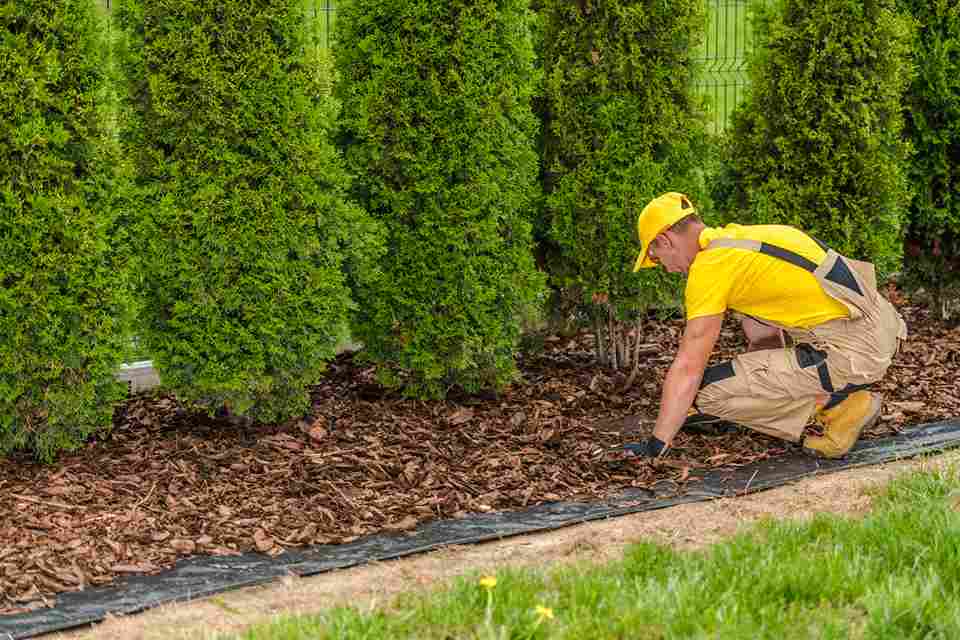
Bed preparation is the most variable cost driver. Beds that were properly mulched and edged the previous season require relatively little preparation before fresh mulch goes down. Beds that have been neglected, overtaken by weeds, or accumulated significant leaf and debris buildup from a Finger Lakes winter require substantially more labor before mulch can be applied effectively. Pulling winter debris, clearing weed establishment, and recutting edges that have been colonized by encroaching turf can add an hour or more of labor per bed area before a single cubic yard of mulch moves.
Mature tree coverage throughout neighborhoods like Cayuga Heights and Forest Home creates specific preparation challenges. Leaves that worked their way into bed areas over fall and winter decompose into a layer of organic material that needs to be cleared before fresh mulch is applied. Root systems that extend through bed areas make thorough hand-clearing necessary in zones where mechanical tools can’t be used without damaging surface roots. Those labor hours are real and show up in the quote.
Access limitations affect delivery and installation time. Properties with narrow side yards, steep driveways, or gates that prevent wheelbarrow or equipment access require mulch to be carried longer distances from staging to installation area. That time adds to labor cost regardless of how efficiently the crew works. Urban properties in Collegetown and Fall Creek, where lot configurations are tight and street parking for a delivery truck may require a permit or coordination, often see access-related cost additions that suburban properties don’t.
Mulch volume requirements vary with bed depth and coverage area. Beds that received a thin application the previous year or no application at all need more material to reach the two to three inch target depth than beds that are being refreshed over an existing layer. Underestimating volume requirements and returning for a second delivery adds both material and labor cost that accurate upfront measurement avoids.
Mulch Material Types and How They Affect Cost
The type of mulch selected affects both material cost and the long-term performance of the application, and the right choice for an Ithaca property isn’t always the cheapest option available.
Shredded hardwood bark is the most commonly used mulch material on Ithaca residential properties and for good reason. It breaks down at a moderate rate, contributes organic matter to soil as it decomposes, and holds its position on slopes better than finer-textured materials. Its interlocking texture resists displacement from Ithaca’s heavy spring rain events and the rapid snowmelt runoff that moves across beds in March and April. It costs more per cubic yard than dyed wood chip mulch but performs better over a longer period.
Dyed mulch, typically black or dark brown, is less expensive per cubic yard and holds its color through the early part of the season. The dye fades by midsummer in Ithaca’s sun exposure, and the base material is often lower-quality wood chip rather than bark. It also breaks down faster than shredded bark, which means more frequent replacement and higher long-term cost relative to the initial savings. On properties where consistent appearance through the full growing season matters, hardwood bark delivers better value despite the higher upfront cost.
Cedar and hemlock mulch carry higher material costs but bring natural pest-deterrent properties and a slower decomposition rate that reduces replacement frequency. On properties where certain insect pressures are a recurring concern, the premium can be justified. Cedar mulch also tends to hold its color longer than standard hardwood bark, which matters for high-visibility beds at property entries and along street-facing frontage.
Rubber mulch occasionally comes up in conversations about low-maintenance alternatives. It does not decompose, does not require annual replacement, and holds its position well. However, it contributes nothing to soil health, retains heat in a way that can stress plant roots during Ithaca’s warmer stretches, and is difficult to remove once installed if a planting plan changes. For planted beds with perennials, shrubs, and trees that benefit from organic matter contribution, rubber mulch is not the right tool.
Professional Mulching vs. DIY: Where the Real Difference Shows Up
Mulching is one of the landscape maintenance tasks that looks most accessible to DIY on the surface. Buy the bags or order a cubic yard delivery, spread it around, done. The gap between that version of the job and what a professional crew does shows up in plant health outcomes over the following season, not in how the bed looks on the day of application.
Mulch depth application errors are the most consequential DIY failure point. Too little mulch, under an inch and a half, provides minimal weed suppression and dries out quickly, defeating the primary purpose of the application. Too much mulch, over three inches, creates anaerobic conditions in the soil beneath it that stress root systems and promote fungal activity. The two to three inch target sounds like a range that’s hard to miss, but beds with existing mulch layers require measuring and adjusting for what’s already there rather than applying a standard depth over an unknown existing layer.
Volcano mulching, the practice of piling mulch up against tree trunks and shrub bases in a cone shape, is one of the most visually common and damaging mulching mistakes on residential properties. It holds persistent moisture against bark, promotes rot at the crown, creates habitat for boring insects and rodents, and causes long-term structural damage to the affected plant. Correcting volcano mulching damage on established trees requires removing accumulated material, treating affected tissue, and monitoring for recovery over multiple seasons. Keeping mulch pulled back two to three inches from stems and trunk flares is a basic technique standard that professional crews apply consistently.
Weed fabric beneath mulch is another area where DIY projects frequently work against themselves. Weed fabric does reduce weed pressure initially, but it also impedes the organic matter contribution that decomposing mulch makes to soil health, disrupts the natural moisture movement through the bed, and becomes increasingly difficult to manage as plants grow and spread over time. Professional maintenance programs typically avoid weed fabric in planted beds for these reasons, relying instead on consistent mulch depth and timely weed management.
The time investment for a thorough DIY mulching job on a typical Ithaca residential property with several established beds is also significant. Clearing winter debris, recutting edges, calculating and sourcing the right volume of material, and applying it to the correct depth across a full bed system takes most of a weekend. For properties where that time has real competing value, the cost of professional service looks different when the full labor picture is considered.
Seasonal Timing and Why Spring Mulching Matters in Ithaca
Timing a mulching application correctly in Ithaca captures benefits that the same application delivered at the wrong time misses. Spring mulching, applied after the soil has warmed from winter dormancy but before peak weed germination in May, delivers the best return on the investment in any single application.
Late April through mid-May is the target window for spring mulching in Ithaca. Applying mulch before the soil has fully warmed, which can mean waiting until late April in a cold spring, traps cold in the soil and delays the warming process that drives early plant growth. Waiting too long, past mid-May, means weed seeds have already germinated and mulch application provides suppression benefit only for subsequent weed cycles rather than preventing the first flush entirely.
Ithaca’s spring conditions create a specific window challenge. Snowmelt runoff and April rain events keep bed surfaces wet and soft well into the month, and applying mulch over saturated beds that haven’t yet drained compacts the soil surface and creates anaerobic conditions beneath the material. Waiting for beds to drain and firm up before mulching is the right call even if it means missing an early April application date.
Fall mulching serves a different but complementary purpose. A light refresher application in October, after perennial beds have been cut back and before hard freeze, moderates soil temperature through the freeze-thaw shoulder season and reduces frost heave pressure on shallow root systems. It also reduces the amount of material blown or washed out of beds over winter, which means less preparation work needed in spring. Properties that receive both spring and fall applications consistently maintain better bed condition than those receiving a single annual application.
Booking spring mulching service early is genuinely important in the Ithaca market. Reputable contractors fill their spring maintenance schedules weeks in advance, and homeowners who wait until May to call often find that available slots have shifted into June. Contacting your maintenance provider in February or March to reserve spring service is the practical move for properties where timing matters to plant health outcomes.
Mulching integrates naturally with the broader scope of seasonal bed maintenance, fertilization, and lawn care that a structured maintenance program delivers. You can see how these services work together through the complete services overview before reaching out for a quote.
For properties where hardscape elements like patios, walkways, or retaining walls define the edges of mulched bed areas, keeping those transitions clean and well-maintained is part of what a professional crew manages consistently. If those hardscape elements are aging or need attention, a conversation about hardscape and stonework refresh work alongside mulching is worth having at the same site visit.
If your property also requires winter coverage, pairing your spring mulching and maintenance contract with snow and ice management through the same contractor simplifies scheduling and ensures your property is covered across every season.
When you’re ready to get a realistic mulching quote based on your property’s actual condition and bed coverage, VP Designs Lawn & Landscape serves homeowners and commercial clients throughout Ithaca, New York and the surrounding areas. Call (607) 592-5505 or visit the contact page to schedule a site visit and get a number that reflects how much a mulching job costs for your specific property.
Frequently Asked Questions About How Much a Mulching Job Costs
Q: How much does a typical mulching job cost in Ithaca, NY?
A: Most residential mulching jobs in the Ithaca area run between $200 and $500 for a standard spring application on a property with maintained beds. Larger properties, beds in poor condition requiring significant preparation, and premium mulch materials push costs higher. Commercial properties and larger residential lots with extensive coverage typically run $500 to $1,500 or more. A site visit is the only way to produce an accurate number for a specific property.
Q: What is included in a professional mulching service?
A: A thorough professional mulching service includes bed debris removal, edge redefinition or touch-up, weed clearing before application, and mulch installation to the correct depth of two to three inches. Some contractors include these preparation steps in the quoted price and others itemize them separately. Asking specifically what bed preparation is included before accepting a quote avoids surprises when the invoice arrives.
Q: How often should mulch be refreshed on Ithaca properties?
A: Annual spring application is the standard for most Ithaca residential properties, with an optional light fall refresher for beds with perennials and shallow-rooted shrubs. Properties with heavy tree coverage that deposits significant leaf material into beds may need more frequent attention. Hardwood bark mulch typically breaks down enough over a Finger Lakes winter to warrant a full refresh each spring rather than a top-dressing only.
Q: Why does mulching cost more on some Ithaca properties than others?
A: Bed condition, access, and coverage area are the primary cost drivers. A property in Cayuga Heights with large, established beds under mature trees, significant winter debris accumulation, and a narrow side yard access point costs more to mulch than a comparable-sized property with open access and well-maintained beds. Preparation labor, not mulch material, is usually the cost variable that explains differences between quotes on similar-sized properties.
Q: How deep should mulch be applied in Ithaca’s climate?
A: Two to three inches is the standard target depth for Ithaca properties. That depth provides effective weed suppression, retains adequate soil moisture through dry summer stretches, and moderates soil temperature through the freeze-thaw shoulder seasons in spring and fall. Applying more than three inches, particularly against plant stems and tree trunks, holds excessive moisture against bark and root crowns, promoting rot and creating conditions for boring insects and rodents.
Q: Is it worth paying for professional mulching rather than doing it myself?
A: For small properties with simple bed layouts and easy material access, DIY mulching is manageable if depth application and stem clearance are handled correctly. For larger Ithaca properties with established beds, mature trees, tight access, or beds in need of significant preparation work, professional service delivers better results in less time and avoids the application errors that cause plant health problems over subsequent seasons. The cost of correcting volcano mulching damage on a mature tree consistently exceeds multiple seasons of professional service fees.
Q: What type of mulch works best for Ithaca properties?
A: Shredded hardwood bark is the strongest all-around performer for most Ithaca residential beds. It holds position on slopes during spring rain and snowmelt events, breaks down at a rate that contributes organic matter to Ithaca’s clay-heavy soils without requiring constant replacement, and provides consistent appearance through the full growing season. Cedar and hemlock are good premium alternatives for beds where pest deterrence is a priority. Dyed wood chip mulch costs less upfront but delivers lower performance and shorter effective life.
Conclusion
How much a mulching job costs in Ithaca reflects the real conditions of Ithaca properties, not a national average applied to a zip code. Bed preparation, access, material volume, and mulch type all shape the final number, and the gap between a well-prepared professional application and a surface-level mulch spreading shows up clearly in plant health, weed pressure, and bed appearance by midsummer.
Consistent, correctly applied mulching is one of the highest-return maintenance investments a property owner can make in the Finger Lakes region. It suppresses weeds, retains moisture through dry summer stretches, contributes to soil health as it breaks down, and moderates the temperature swings that Ithaca’s shoulder seasons deliver to shallow root systems. Done right, on the right schedule, it compounds in benefit year over year in ways that a single application can’t fully demonstrate.