Why Residential Landscape Design Means Something Different in Ithaca
A lot of homeowners hear “landscape design” and picture someone arranging a few shrubs around a front porch. What is residential landscape design actually involves is closer to architecture than decoration: a planned, intentional approach to how a property’s outdoor space functions, drains, grows, and holds up over time. In Ithaca, that planning has to account for conditions that don’t show up in design guides written for milder, flatter climates.
Properties throughout Cayuga Heights and East Hill often present grade changes, mature tree canopy, and clay-heavy soil that make ad hoc planting decisions risky without a coordinated design first. This article explains what residential landscape design actually covers, why it matters more in a region like the Finger Lakes than in places with simpler terrain and soil, and what the design process looks like from first conversation to finished property.
Key Takeaways
- Residential landscape design is the planned coordination of grading, drainage, planting, and hardscape elements into a single functional outdoor space, not just plant selection.
- In Ithaca, design decisions must account for clay-heavy soil, freeze-thaw cycles, Zone 6a plant hardiness, and a compressed installation season.
- A proper design process starts with site assessment before any planting or material decisions are made.
- Skipping design and installing landscape elements piecemeal often creates drainage and plant health problems that a coordinated plan would have prevented.
- Design costs in the Ithaca area typically range from $500 to $3,500 for standalone design work, while full design-and-installation projects run $5,000 to $15,000 or more.
- A well-designed landscape reduces long-term maintenance problems and adapts more successfully to the specific conditions of an Ithaca property.
What Is Residential Landscape Design: A Clear Definition
What is residential landscape design, in practical terms, is the process of planning how a property’s outdoor space will look, function, and perform over time, based on the site’s specific conditions and the homeowner’s goals. It includes decisions about grading and drainage, hardscape placement like patios and walkways, plant selection and arrangement, and how all of those elements work together rather than existing as separate, disconnected choices.
VP Designs Lawn & Landscape approaches residential landscape design by starting with a site evaluation that looks at soil type, drainage patterns, sun exposure, existing vegetation, and grade before any design concept is developed. That sequence matters because a design built without understanding the site’s actual conditions tends to produce recommendations that look good on paper but create problems once installed, particularly in a region with Ithaca’s specific soil and climate challenges.
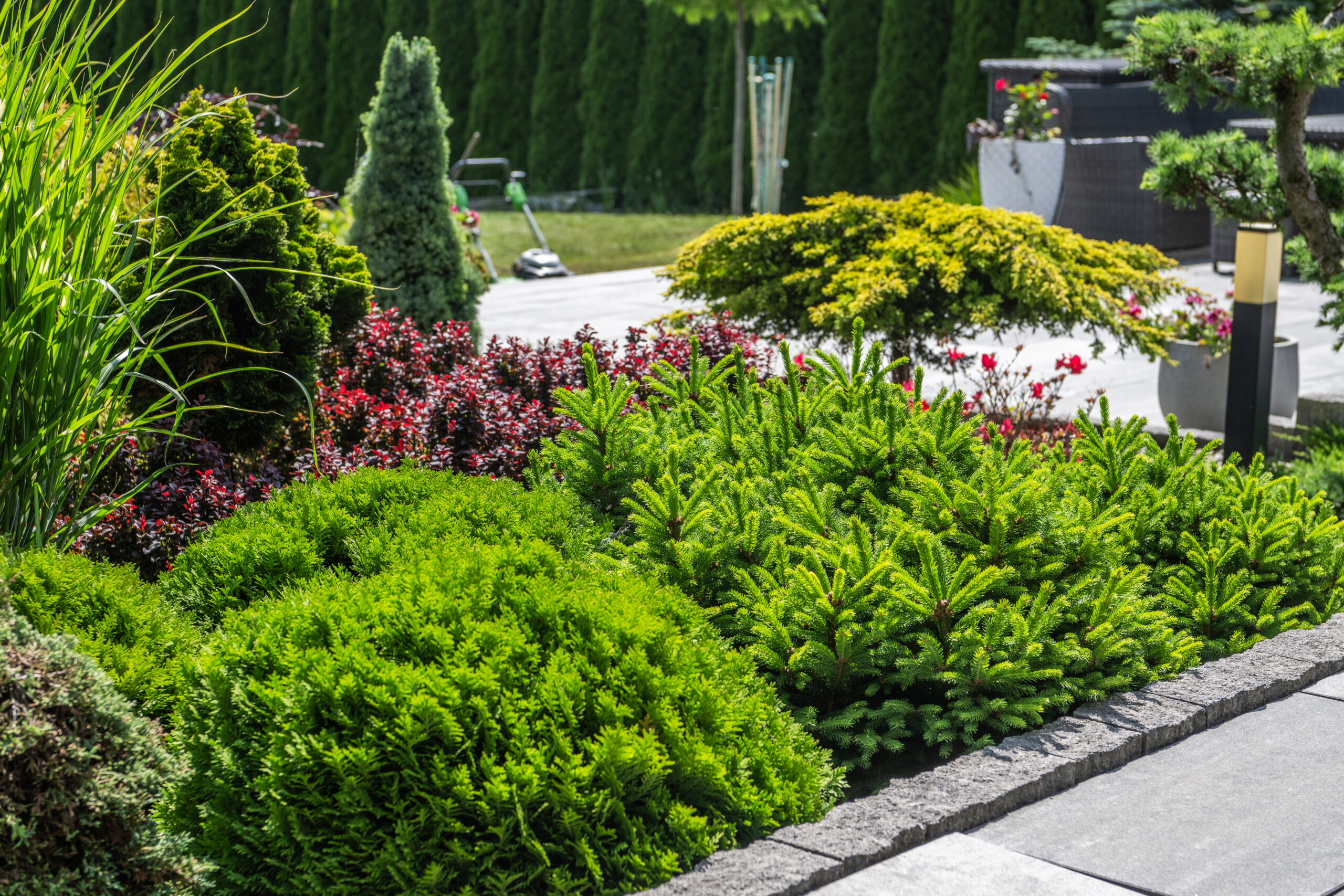
A complete residential landscape design typically addresses several interconnected elements. These include water management across the property, the placement and material selection for any hardscape features, plant selection suited to the site’s specific sun, soil, and hardiness zone conditions, and how the overall plan supports the property’s practical use, whether that’s entertaining space, low-maintenance simplicity, or a specific aesthetic direction. The design process produces a coordinated plan rather than a collection of independent decisions made one at a time as a property evolves.
This distinguishes residential landscape design from simple landscaping or lawn care. Landscape design is the planning phase that determines what gets built and where; landscaping and maintenance are the execution and upkeep that follow the plan.
Why Landscape Design Matters More in Ithaca Than in Milder Climates
Generic landscape design advice, written for regions with stable soil, mild winters, and long growing seasons, underestimates how much site conditions in Ithaca shape what actually works. A design approach that ignores the realities of Finger Lakes terrain produces plans that look reasonable on paper and fail once installed.
Clay-heavy soil throughout much of Ithaca drains poorly compared to sandier or loamier soil found in other regions. A landscape design that doesn’t account for this, by failing to plan grading and drainage before placing plant beds or hardscape, sets up conditions for standing water, root rot, and erosion. Designing around Ithaca’s soil profile means incorporating drainage solutions into the plan from the start rather than treating them as an afterthought once problems appear.
Freeze-thaw cycling affects both plant selection and hardscape placement decisions. Plants that are only marginally hardy in Zone 6a face real risk during a severe Finger Lakes winter that pushes conditions toward Zone 5b. A design that doesn’t account for this hardiness margin can result in significant plant loss within the first year or two, requiring costly replacement that proper initial planning would have avoided.
Steep terrain on properties throughout South Hill and West Hill requires design decisions that flatter properties never need to consider. Grading, retaining wall placement, and how water moves down a slope all need to be part of the design conversation from the beginning. A design that treats a sloped property the same way it would treat a flat lot misses structural considerations that become expensive problems once construction begins.
The compressed installation season, running roughly from late April through mid-October, means design decisions need to account for realistic installation timing. A design that calls for extensive hardscape work, significant tree removal, and a full planting scheme all in one season may not be achievable within the available working window, and a good design process accounts for phasing when a project’s scope exceeds what a single season can accommodate.
What the Residential Landscape Design Process Actually Looks Like
Understanding the design process helps set realistic expectations for what a design engagement involves and how long it typically takes from initial conversation to a finished plan.
Site assessment is the first and most important step. This involves walking the property, documenting existing conditions including soil type, drainage patterns, sun and shade exposure throughout the day, existing trees and plantings, and any grade changes across the site. This step also includes discussing how the homeowner currently uses the outdoor space and what they want to change or add. Skipping this step in favor of jumping straight to design concepts is the most common shortcut that produces plans disconnected from real site conditions.
Concept development follows the assessment, translating the site information and homeowner priorities into a proposed layout. This typically includes decisions about where hardscape elements will go, how planting beds will be arranged, what grading or drainage work is needed, and how the overall space will function for the homeowner’s stated goals. For more complex projects, this stage may include sketches, scaled drawings, or in some cases digital renderings that help the homeowner visualize the proposed plan.
Material and plant selection happens once the overall layout concept is approved. This is where specific decisions get made about hardscape materials, like whether a patio uses flagstone or pavers, and about specific plant species suited to the site’s sun exposure, soil pH, and Zone 6a hardiness requirements. This stage benefits from the site assessment data gathered earlier, since plant and material choices should reflect what the specific site can actually support.
Phasing and scheduling become relevant for larger projects that exceed what a single installation season can accommodate. A good design process identifies which elements need to happen first, such as grading and drainage work that other elements depend on, and which elements can be installed in a later phase without compromising the overall plan. This is particularly relevant in Ithaca given the compressed installation window.
Installation follows the finalized design, ideally with the same team or close coordination between design and installation to ensure the finished result matches the plan’s intent. Design and installation handled by the same company tend to produce fewer miscommunications than projects where a design is handed off to a separate installation contractor without close coordination.
What a Landscape Design Typically Costs in the Ithaca Area
Cost for residential landscape design varies based on project scope, property size, and whether design is purchased as a standalone service or bundled with installation.
Standalone landscape design, where a homeowner pays for a plan without committing to installation through the same company, typically runs $500 to $3,500 in the Ithaca area, depending on property size and design complexity. A simple design addressing a single area, like a front entry bed or a small backyard corner, sits toward the lower end. A comprehensive whole-property design addressing multiple zones, grading, and hardscape integration runs toward the higher end.
Full landscape design and installation, where the design fee is often credited toward or bundled into the overall project cost, typically runs $5,000 to $15,000 or more depending on the scope of work involved. This range reflects projects that include some combination of grading, drainage work, hardscape installation, and planting, executed according to a coordinated design rather than as separate, disconnected purchases.
Design complexity affects cost within these ranges. A property with straightforward terrain, no major drainage challenges, and a modest scope costs less to design than a property with significant grade changes, multiple use zones, and complex water management needs. Properties throughout the hillier sections of Ithaca, where terrain considerations are more involved, often see design costs toward the higher end of the relevant range due to the additional site analysis and planning these conditions require.
Comparing design cost in isolation from the installation it leads to misses the bigger financial picture. A well-executed design that prevents drainage problems, plant loss, and the need to redo poorly planned hardscape ultimately saves money relative to a property developed without coordinated planning, even though the upfront design cost is a real line item that some homeowners are tempted to skip.
What Happens When Design Is Skipped
Properties that develop without a coordinated landscape design plan, adding elements piecemeal over time as budget or interest allows, frequently run into problems that a design process would have anticipated and avoided.
Drainage conflicts are among the most common consequences of skipping design. A patio installed one year and a planting bed added the next, without considering how water moves between them, can create a situation where runoff from the hardscape floods the bed or where the bed’s irrigation contributes to moisture problems near the patio’s base. A coordinated design considers water movement across the entire property before any single element is installed.
Plant placement mistakes happen frequently on properties developed without an overall plan. Plants selected for a specific spot without considering mature size, root spread, or how nearby hardscape and structures will affect light exposure as the plant grows often end up requiring removal or significant pruning within a few years. A design process that accounts for mature plant size and site conditions from the start avoids this costly do-over cycle.
Disjointed aesthetics result when different areas of a property are developed independently over time without a unifying design concept connecting them. A backyard patio installed with one material and a front walkway installed years later with an entirely different material and style can leave a property feeling visually fragmented rather than cohesive, even if each individual element was well executed on its own.
Wasted hardscape investment occurs when hardscape elements are placed without considering how the broader landscape will develop around them. A retaining wall built without considering future planting bed placement, or a patio positioned without accounting for how mature tree canopy will eventually shade the space, can result in hardscape that doesn’t function as well as it could have with upfront design coordination.
A coordinated hardscape and stonework plan developed as part of an overall landscape design avoids these piecemeal problems by considering how each element relates to the others before construction begins.
How Design Connects to Ongoing Maintenance
A well-designed landscape sets up easier, more effective long-term maintenance, while a poorly planned one creates ongoing maintenance challenges that no amount of upkeep fully resolves.
Plant selection matched to site conditions through proper design reduces the maintenance burden significantly compared to plants struggling against conditions they’re not suited for. A plant chosen for the wrong sun exposure or soil type requires more intervention, more replacement, and more troubleshooting than a plant selected through a design process that accounted for the site’s actual conditions from the start.
Properly planned drainage reduces the erosion, standing water, and plant stress that poorly planned properties experience repeatedly. Professional landscape maintenance is significantly more effective on a property where the underlying design supports healthy growing conditions rather than working against site-specific drainage problems every season.
Hardscape integrated thoughtfully into the design tends to require less corrective maintenance over time than hardscape installed without considering its relationship to surrounding plantings, drainage, and grade. A patio designed with proper drainage routing from the start doesn’t develop the standing water or erosion issues that an afterthought installation might.
For properties where certain areas struggle to support healthy turf due to shade or heavy use, incorporating artificial turf installation into the overall design, rather than adding it as a later patch to a problem area, produces a more cohesive and functional result.
If you’re considering a landscape design project for your Ithaca property, reviewing the complete services overview gives you a sense of how design connects to the full range of installation and maintenance services available. VP Designs Lawn & Landscape serves homeowners throughout Ithaca, New York and the surrounding areas with residential landscape design that accounts for the specific soil, terrain, and climate conditions this region presents. Call (607) 592-5505 or visit the contact page to schedule a site visit and start the design conversation for your property.
Frequently Asked Questions About What Residential Landscape Design Is
Q: What is residential landscape design, in simple terms?
A: Residential landscape design is the process of planning how a property’s outdoor space will function and look, covering grading, drainage, hardscape placement, and plant selection as a coordinated plan rather than separate decisions. It’s the planning phase that comes before installation, determining what gets built and where based on the site’s specific conditions and the homeowner’s goals.
Q: Why does landscape design matter more in Ithaca than in other climates?
A: Ithaca’s clay-heavy soil, freeze-thaw cycling, hillside terrain, and Zone 6a hardiness requirements create conditions that a generic design approach doesn’t account for. A design process that incorporates these factors from the start avoids drainage failures, plant loss, and hardscape problems that are common on properties developed without considering the region’s specific challenges.
Q: How much does residential landscape design cost in the Ithaca area?
A: Standalone design services typically run $500 to $3,500 depending on property size and complexity. Full design and installation projects, where design work leads directly into construction, generally run $5,000 to $15,000 or more depending on scope. Properties with significant grade changes or complex drainage needs often land toward the higher end of these ranges.
Q: Can I skip the design phase and just start installing landscape elements?
A: You can, but it often leads to problems that a coordinated design would have prevented, including drainage conflicts between separately installed elements, plant placement mistakes that require costly correction, and a disjointed overall aesthetic. On Ithaca properties specifically, skipping design increases the risk of drainage and plant health issues tied to the region’s clay soil and climate.
Q: How long does the residential landscape design process typically take?
A: Timeline varies with project complexity, but a typical design process from initial site assessment to a finalized plan often takes several weeks for a moderately sized residential project. Larger or more complex properties with significant grading and drainage considerations may take longer. Scheduling the design conversation well before your intended installation season, ideally in late winter, helps ensure enough time for thorough planning before Ithaca’s compressed spring and summer installation window opens.
Q: Does landscape design include plant selection, or is that separate?
A: Plant selection is typically part of the overall design process, informed by the site assessment findings about sun exposure, soil type, and drainage conditions. A design that addresses hardscape and grading without also addressing plant selection misses an integrated approach, since plant health depends on the same site conditions that inform other design decisions.
Q: Is residential landscape design only for large properties or major renovations?
A: No. Design principles apply to projects of any size, from a single front entry bed to a full property renovation. A smaller design engagement focused on one problem area, such as correcting a persistent drainage issue or planning a single new planting bed, still benefits from the same site-assessment-first approach that larger projects use, just at a smaller scope and lower cost.
Conclusion
What residential landscape design actually is goes well beyond picking out plants or arranging a few decorative elements. It’s a coordinated planning process that accounts for how water moves across a property, what the soil can support, how hardscape and plantings relate to each other, and how the whole system will perform through Ithaca’s specific seasonal demands. Treating these as connected decisions rather than separate purchases produces outdoor spaces that function well and hold up over time.
For Ithaca homeowners, skipping that planning step carries more risk than it might in a milder, more forgiving climate, given the soil and terrain challenges this region presents. A thoughtful design process upfront costs less in the long run than correcting the drainage problems, plant losses, and disjointed results that piecemeal development tends to produce on properties throughout the Finger Lakes region.