The Real Question Behind Garden Maintenance Costs in Ithaca
Gardens in Ithaca are not low-effort investments. Between the clay-heavy soils that need regular amendment, the perennial beds that require seasonal cutbacks and dividing, and the ongoing weed pressure that accelerates through the summer months, a garden that looks good in June takes consistent work to still look good in September. Before homeowners can answer whether professional garden maintenance is worth the cost, they need a clear picture of what that cost actually is and what it prevents when done correctly.
Properties in Belle Sherman, where decades of established planting include layered perennial beds, mature shrubs, and ornamental trees competing for soil nutrients, face a different maintenance reality than newer homes with recently installed gardens. In Forest Home, where wooded lots and acidic soils from leaf litter create persistent conditions that certain plants struggle with, garden maintenance means managing soil health as much as plant appearance. Understanding how much garden maintenance costs in this market starts with understanding what the work actually involves in Finger Lakes conditions.
Key Takeaways
- How much garden maintenance costs in Ithaca typically falls within the $150 to $400 per month residential range, with pricing shaped by garden size, plant complexity, and service frequency.
- Professional garden maintenance covers weeding, edging, pruning, soil amendment, mulching, deadheading, and seasonal cleanup as an integrated program, not a single task.
- Ithaca’s clay soils, Zone 6a climate, and compressed growing season mean garden care decisions have real consequences for long-term plant health and appearance.
- The cost of professional service is consistently lower than the cost of plant replacement, soil correction, and restoration work that neglected or improperly managed gardens require.
- DIY garden care carries specific risks including incorrect pruning timing, inadequate soil amendment, and missed disease or pest indicators that compound quietly across seasons.
- Spring and fall are the highest-stakes windows in Ithaca’s garden calendar, and missing either one sets back plant health for the entire growing season that follows.
How Much Does Garden Maintenance Cost in Ithaca?
How much garden maintenance costs as a professional service in Ithaca falls within the broader residential landscape maintenance range of $150 to $400 per month, with garden-focused programs landing across that range depending on scope. A property with a few manageable annual beds and a simple perennial border costs considerably less to maintain than a large, multi-zone garden with mixed shrubs, ornamental grasses, climbing plants, and seasonal color rotations. The monthly figure reflects time on site, not just plant count, and complex gardens with tight spacing and varied pruning requirements take significantly longer per visit to manage correctly.
Garden-only maintenance programs that exclude general lawn care often start at a lower monthly entry point than full-property contracts. However, separating garden care from overall landscape maintenance sometimes creates coordination gaps that affect the total property’s appearance, because a well-maintained garden against a neglected lawn or overgrown edging line reads as incomplete. VP Designs Lawn & Landscape structures programs around the full property picture, ensuring that garden care integrates with the surrounding landscape rather than standing apart from it.
The cost of professional garden maintenance also needs to be measured against what it replaces. A garden program that prevents plant loss through correct seasonal care, timely pest identification, and appropriate pruning is eliminating costs that would otherwise arrive as plant replacement, soil restoration, and labor-intensive correction work. In Ithaca’s Zone 6a climate, where a poorly timed hard cutback or incorrect winter mulching approach can cost a borderline-hardy perennial its survival through February, professional judgment protects a plant investment that typically runs well above the monthly maintenance cost.
What Professional Garden Maintenance Includes
Professional garden maintenance in Ithaca covers a broader scope than most homeowners realize when they first price it out. Regular weeding keeps competitive pressure off garden plants, which is especially important in the first two to three years after a new garden installation when plants have not yet filled in enough to shade out germinating weed seeds. Mulch replenishment, bed edging, and deadheading are recurring services that collectively determine how the garden looks at any given point in the season.
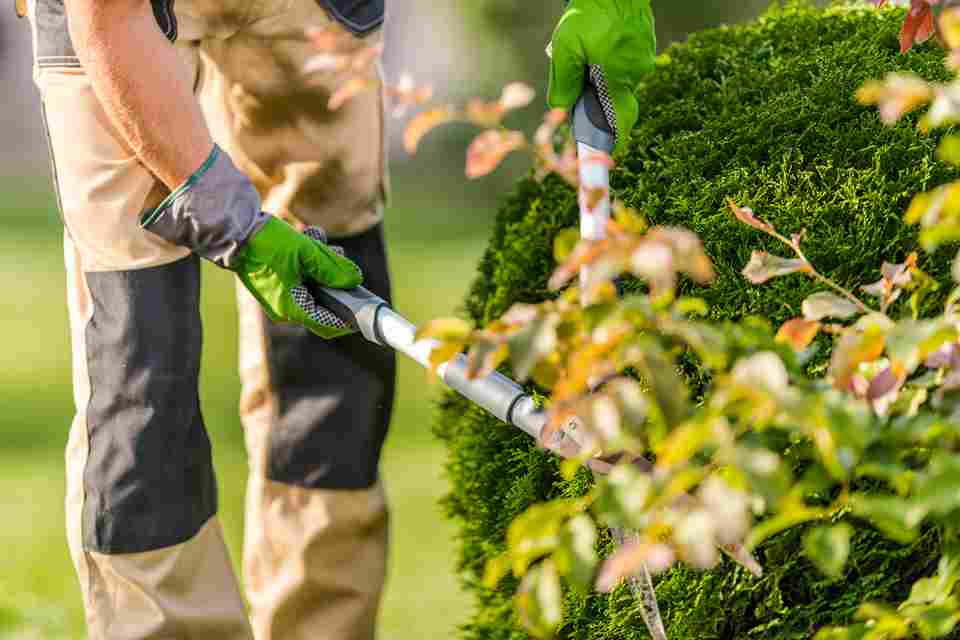
Pruning and seasonal cutbacks are where professional expertise carries the most direct value. Incorrect pruning timing, particularly cutting back spring-blooming shrubs in fall or late summer, removes the following season’s flower buds entirely. Over-aggressive cutbacks on borderline-hardy perennials going into an Ithaca winter reduce the plant’s stored energy reserves at exactly the moment it needs them most. Our professional landscape maintenance programs apply pruning timing based on each plant’s specific growth cycle, not a one-size schedule applied to everything in the bed.
Soil health management is the other component that separates professional garden care from routine cleanup. Ithaca’s clay-heavy soils compact over time, reducing the oxygen and drainage that most garden plants need at the root zone. Regular soil amendment, appropriate mulch depth, and seasonal organic matter incorporation keep the soil structure open and actively supporting plant growth. Properties in Forest Home with naturally acidic soil from leaf litter and wooded surroundings also need monitoring to ensure pH does not drift far enough to affect plant performance, which is a detail a trained eye catches and a casual maintenance approach misses.
Why Garden Maintenance Pays Off Over Time
The value question in garden maintenance comes down to one straightforward comparison: what does professional service cost per season versus what plant loss, soil restoration, and replanting cost when maintenance is deferred or done incorrectly? In Ithaca, a single established shrub that was improperly pruned or left without winter mulch in the wrong season can cost $80 to $200 to replace, and a garden with fifteen or twenty plants represents a meaningful investment that professional maintenance actively protects. The monthly cost of professional care is almost always lower than the periodic cost of reactive replacement and correction work.
Garden maintenance also protects the investment in any adjacent hardscape. Beds that are allowed to grow unchecked send root systems into patio joints, push against retaining wall faces, and allow organic debris to accumulate in stone joints and edging systems where it accelerates deterioration. Coordinating garden care with hardscape and stonework maintenance keeps both systems performing correctly, rather than allowing plants and stonework to work against each other over time.
The longer a garden is maintained professionally, the lower the intensive intervention costs become. Gardens that receive consistent care accumulate plant density and soil health that reduce weed pressure, improve drought tolerance, and stabilize the overall planting in ways that intermittent or reactive maintenance never achieves. That compounding benefit is part of what makes a professional maintenance program increasingly cost-effective over time compared to the ongoing replacement cycle that neglected gardens require.
Professional vs. DIY Garden Care: Where the Risk Lives
The specific failure points in DIY garden maintenance are worth knowing clearly, because they are not dramatic events but quiet accumulations that surface as visible decline after one or two full seasons. Incorrect pruning timing is the most widespread and costly: homeowners who prune flowering shrubs by general schedule rather than by growth cycle regularly remove next season’s buds, producing shrubs that leaf out but never flower. In Ithaca, where the growing window is short enough that a lost bloom cycle is a full year’s loss, that error matters.
Soil compaction from foot traffic and incorrect maintenance patterns is the other consistent DIY problem on Ithaca garden properties. Working beds repeatedly when the soil is wet compresses clay particles in ways that take multiple seasons of amendment to reverse, and the effects show up as reduced plant vigor, poor drainage, and increased disease susceptibility rather than a single obvious event. Reviewing the full range of services we provide shows how consistent professional care manages these variables as an integrated program rather than addressing them as isolated problems after they become visible.
For sections of a garden or landscape where natural plants consistently fail due to shade, drainage, or soil challenges, artificial turf installation can be incorporated as a practical, low-maintenance alternative for those specific zones. Removing the problem areas from the maintenance program concentrates professional attention on the plantings that are actually performing.
Seasonal Timing for Garden Maintenance in Ithaca
The Ithaca garden calendar runs from late April through mid-October, but the critical windows within that span are short enough to miss easily without a professional on a consistent schedule. Spring startup, covering cutbacks of ornamental grasses and perennials, early weeding before summer weed species set seed, and the first mulch application, needs to happen between late April and late May before growth accelerates ahead of it. Waiting until June to begin spring garden tasks means spending the rest of the season managing a backlog rather than maintaining a garden in good condition.
Fall is the season that most directly shapes how a garden survives winter in the Finger Lakes region. Leaving excessive top growth on perennials that benefit from cutback allows disease and pest pressure to overwinter in the debris. Applying winter mulch too early can trap warmth and encourage late growth that then gets hit by the first hard freeze; applying it too late leaves roots exposed during early temperature drops in November. Those timing decisions require someone who knows Ithaca’s seasonal patterns well enough to act at the right moment, not on a fixed calendar date. For properties where garden maintenance transitions into winter preparation and then into spring startup, pairing the garden program with snow and ice management creates a year-round service relationship that keeps the full property managed through every season.
If you are ready to get a clear answer on how much garden maintenance costs for your specific property and stop guessing at what your garden actually needs, VP Designs Lawn & Landscape serves Ithaca, New York and the surrounding areas with professional garden and landscape maintenance programs built for Finger Lakes conditions. Call (607) 592-5505 or visit our contact page to schedule an on-site visit. Getting the right program starts with someone who has actually seen your garden and knows what it requires.
Frequently Asked Questions About How Much Garden Maintenance Costs
Q: How much does garden maintenance cost per month in Ithaca?
A: Professional garden maintenance in Ithaca falls within the residential landscape maintenance range of $150 to $400 per month. Garden-focused programs covering weeding, pruning, edging, mulching, and seasonal care vary based on garden size, plant complexity, and visit frequency. Properties with larger or more detailed plantings, like many established homes in Belle Sherman, land toward the higher end of that range.
Q: Is professional garden maintenance worth the monthly cost?
A: For most Ithaca homeowners, yes. The monthly cost of professional service is consistently lower than the plant replacement, soil restoration, and corrective labor that deferred or improperly managed gardens require. In Zone 6a conditions, where pruning timing and winter preparation have direct consequences for plant survival, professional judgment prevents losses that add up quickly against the value of an established garden.
Q: What specific services does a professional garden maintenance program include?
A: A professional garden maintenance program in Ithaca typically covers regular weeding, seasonal pruning and deadheading, bed edging, mulch replenishment, soil amendment, and seasonal cleanups in spring and fall. More complete programs add plant health monitoring, pest and disease identification, and soil pH management. The specific scope varies by property; a program built around what your garden actually requires produces better results than a generic service list.
Q: How does Ithaca’s climate affect garden maintenance requirements?
A: Zone 6a conditions, clay-heavy soils, and the compressed growing season all shape how garden maintenance needs to be timed and executed. Frost can arrive as late as mid-May and as early as late October, limiting the effective planting and growing window. Clay soils compact easily and need regular amendment to stay productive. Borderline-hardy plants require correct winter mulching and spring cutback timing that local conditions dictate rather than calendar dates.
Q: What happens if garden maintenance is skipped for a season?
A: A single skipped season in Ithaca typically produces visible weed pressure, overcrowded plant spacing, reduced flowering from unpruned shrubs, and soil compaction from unmanaged bed traffic. Perennials that needed dividing will crowd each other out and begin to decline. Plants that required winter preparation may show winter damage or die back. The recovery cost of one neglected season frequently exceeds the full-year cost of consistent professional maintenance.
Q: When should I schedule garden maintenance visits in Ithaca?
A: Spring startup between late April and late May and fall preparation in September and October are the two most critical service windows in Ithaca’s garden calendar. Regular visits through the growing season, typically biweekly or monthly depending on garden density, maintain the gains from those critical windows. Reaching out to schedule a program in late winter gives enough lead time to begin service as soon as conditions allow in spring.
Q: Can I maintain part of my garden myself and hire professional help for the rest?
A: Yes, and splitting responsibilities is a practical approach for homeowners who want involvement in their garden without taking on the full maintenance scope. The clearest division is usually handling routine watering and light deadheading personally while leaving pruning, soil amendment, seasonal cutbacks, and specialized plant care to a professional. The high-consequence timing decisions, correct pruning by growth cycle, winter preparation, and spring startup, are where professional involvement protects the most value.
Conclusion
How much garden maintenance costs is only half of the question worth asking. The other half is what it costs not to maintain a garden correctly in Ithaca’s specific conditions: plant losses from improper pruning timing, soil compaction that takes multiple seasons to reverse, weed pressure that establishes faster than it can be removed reactively, and winter damage from missed preparation. Those costs accumulate quietly and surface as visible decline that is more expensive to correct than prevention ever was.
Professional garden maintenance is worth the investment when the alternative is the replacement and restoration cycle that inconsistently managed gardens fall into over time. A garden maintained correctly from season to season builds plant density, soil health, and structural maturity that compounds into an outdoor space that genuinely improves year over year. That trajectory is what professional care makes possible in a climate as demanding as the Finger Lakes region.