When Natural Grass Stops Making Sense in Ithaca
Ithaca’s clay-heavy soils and unpredictable growing seasons make maintaining a natural lawn harder than it looks on paper. Homeowners in Cayuga Heights deal with poor drainage that leaves low-lying areas waterlogged through May, and heavy foot traffic in yards that get year-round use tends to wear grass down to bare patches before summer even gets started. At some point, the cost of reseeding, aerating, fertilizing, and watering stops looking like maintenance and starts looking like a losing battle.
Artificial turf is increasingly the answer for Ithaca homeowners who want a yard that holds up without the seasonal grind. Before making that call, though, most people want a clear picture of what the investment actually looks like. This article breaks down what is the cost of artificial turf installation in this region, what drives that number up or down, and what to expect from the installation process when it’s done right.
Understanding the pricing upfront keeps you from being surprised by a quote, and it helps you ask the right questions when you’re talking to a contractor.
Key Takeaways
- Artificial turf installation in Ithaca typically runs $8-$15 per square foot installed, with total project costs varying based on site conditions and materials.
- Ground preparation, including grading, drainage work, and base compaction, is the most important cost factor and should never be skipped to save money.
- Ithaca’s clay soils require specific drainage solutions beneath the turf or the surface will hold water and degrade prematurely.
- Professional installation outperforms DIY significantly when it comes to seam quality, base preparation, and long-term durability in freeze-thaw conditions.
- Late spring through early fall is the best installation window in Ithaca, with the ground workable and turf able to settle before winter.
- A professionally installed artificial turf system can last 15-20 years with basic maintenance, making the upfront cost a sound long-term investment.
Understanding the Cost of Artificial Turf Installation
What is the cost of artificial turf installation for a typical Ithaca property? The honest answer is that it depends on the size of the area, the condition of the ground beneath it, and the quality of turf product you choose. In this region, most homeowners should expect to pay between $8 and $15 per square foot installed. That range covers materials, ground preparation, edging, infill, and labor.
A 500-square-foot backyard project would run roughly $4,000 to $7,500. A larger installation covering 1,500 square feet could reach $12,000 to $22,500 at the high end, particularly if significant grading or drainage work is required first. These are realistic numbers for the Ithaca area based on actual site conditions, not the low-end figures you might see advertised without context.
VP Designs Lawn & Landscape approaches artificial turf projects as ground-up installations, not just surface replacements. The condition of what’s underneath the turf determines whether that investment lasts five years or twenty, and that’s where the real difference between a good installation and a poor one shows up. Reviewing what goes into a complete artificial turf installation gives homeowners a clear sense of what a full-scope project looks like before they request a quote.
Breaking Down the Cost: Materials vs. Labor vs. Prep
The total price of a turf project splits into three main categories, and understanding each one helps you evaluate a quote intelligently. Turf materials make up a significant portion of the cost. Product quality varies widely, from basic 30-ounce products used in commercial settings to higher-pile, dual-tone residential turf that closely mimics the look of real grass. Higher-grade products carry a higher price per square foot but tend to look better longer and handle heavy use more effectively.
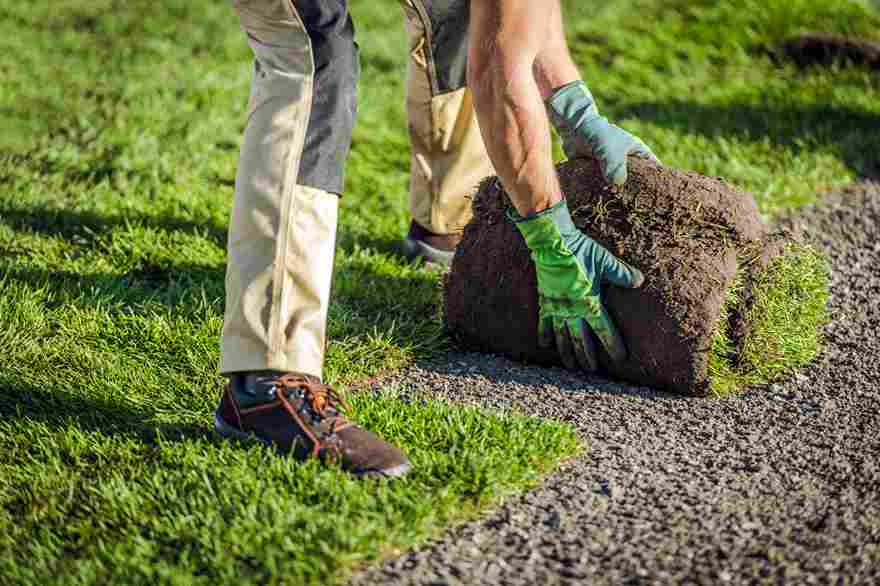
Base preparation and drainage is often where inexperienced contractors cut corners, and it’s exactly where Ithaca properties require the most attention. Clay soils that dominate yards in neighborhoods like Collegetown and throughout much of the city drain poorly by nature. A proper installation involves removing existing vegetation and soil to a depth of three to four inches, laying a compacted gravel base, and in many cases adding a drainage layer or perforated sub-base before the turf ever goes down. Skipping or shortcutting this step creates a product that holds water, smells in warm weather, and develops soft spots over time.
Labor costs reflect the complexity of the project. Straight, open installations are more efficient to complete. Yards with irregular shapes, obstacles like trees or garden beds, multiple levels, or existing hardscape that requires careful edging take longer and cost more. Getting an accurate quote requires a site visit, not just a square footage estimate over the phone.
What Pushes Artificial Turf Costs Higher
Several site-specific factors push the final number toward the higher end of that $8-$15 range. Significant grading work is the most common one in Ithaca. Hillside lots, particularly on East Hill slopes, often require soil removal and re-grading to create a flat, stable surface before a turf base can be built. That grading work adds time and equipment costs that don’t show up in a basic per-square-foot estimate.
Tree roots and existing obstacles complicate both removal and base compaction. Root systems near the surface prevent uniform compaction and can push through a base layer over time if not addressed properly. Removing existing concrete, pavers, or old landscaping before installation also adds to the overall scope and cost of the project.
Premium infill materials are another variable. Standard silica sand infill is common and functional, but organic infill options and crumb rubber alternatives each carry different price points and performance characteristics. For pet owners or households with young children who spend a lot of time on the turf surface, the infill choice matters beyond just cost. Pairing artificial turf with adjacent hardscape and stonework like patio borders or retaining edges also adds to overall project scope but creates a finished yard that functions as a cohesive space.
Professional Installation vs. DIY
Roll-out artificial turf products sold at home improvement stores make DIY installation look straightforward, and for a small, flat, simple area it can work adequately. But for most Ithaca yards, where drainage challenges, uneven terrain, and freeze-thaw conditions are real factors, the gap between DIY and professional installation shows up fast and keeps compounding.
Seam quality is the most visible failure point. DIY installations almost always show visible seam lines within the first season as the turf settles and shifts unevenly. Professional installers cut and join sections in ways that disappear into the pile of the turf. Poor seaming also lets weed growth work its way through over time, which defeats a major reason people choose artificial turf in the first place.
Base depth and compaction are the invisible failure points. A homeowner removing sod and laying turf on lightly graded topsoil has essentially skipped the part of the job that determines whether the surface stays level, drains cleanly, and holds up through twenty freeze-thaw cycles. Frost heaving in Ithaca winters can push an inadequate base out of alignment, creating uneven surfaces and drainage pooling that requires full removal and reinstallation to fix properly. Professional installation paired with ongoing landscape maintenance gives your yard the best long-term outcome, since turf still benefits from periodic brushing, infill top-ups, and perimeter edging upkeep over time.
Seasonal Timing for Artificial Turf Installation in Ithaca
The best installation window in Ithaca runs from late April through mid-October. Ground temperatures need to be workable for proper base compaction, and the turf needs time to settle and acclimate before it faces its first winter. Installations done too late in fall, on frozen or frost-softened ground, risk uneven settling once the ground thaws in spring.
Late spring and early summer are particularly good for most residential projects. The ground is workable, crews have full availability before peak landscaping season crowds the schedule, and homeowners get full use of the finished surface through the warm months. Fall installations are possible and often fine, but they should wrap up before consistent overnight freezes begin, typically by mid-October in this region.
Planning ahead also matters for project scheduling. Turf installation competes for contractor time with patio and hardscape projects in spring and summer. If you’re combining a turf installation with new edging, borders, or a patio area, building in lead time ensures the work gets scheduled together rather than piecemeal across different weeks. You can review the full range of outdoor services through our complete services page to see how turf installation fits alongside other spring and summer projects.
If you’re ready to get a real number for your property, VP Designs Lawn & Landscape serves Ithaca, New York and the surrounding areas with professional artificial turf installation built around the drainage and terrain conditions that actually exist here. Call (607) 592-5505 to schedule a site visit and get a quote grounded in what your specific yard needs, not a generic per-square-foot number from a website. You can also reach out through our contact page to get started. Knowing what is the cost of artificial turf installation for your property takes a real conversation, and that conversation is worth having before spring fills the schedule.
Frequently Asked Questions About What Is the Cost of Artificial Turf Installation
Q: What is the cost of artificial turf installation for a typical backyard in Ithaca?
A: Most Ithaca homeowners pay between $8 and $15 per square foot installed. A 500-square-foot backyard runs roughly $4,000 to $7,500. Larger projects or sites requiring significant drainage work and grading, which are common on Ithaca’s clay soils, will fall toward the higher end of that range or above it.
Q: Does the type of turf product affect the total cost significantly?
A: Yes. Basic commercial-grade turf products cost less per square foot than high-pile, dual-tone residential products designed to mimic natural grass closely. Premium turf tends to look more realistic longer, handles UV exposure better, and feels softer underfoot. For a yard that will see regular family use, investing in a mid-to-high grade product usually pays off over a 15-20 year lifespan.
Q: Why does ground preparation matter so much in Ithaca specifically?
A: Ithaca’s clay soils drain poorly on their own, and without a properly compacted gravel base and drainage layer beneath the turf, water sits under the surface instead of moving through it. Standing moisture beneath artificial turf causes odor in warm weather, promotes mold growth, and degrades the backing material over time. Cayuga Heights properties and other areas with notoriously heavy clay soil are exactly where this issue shows up most.
Q: How long does artificial turf last in Ithaca’s climate?
A: A professionally installed turf system with a proper drainage base typically lasts 15-20 years in the Finger Lakes region. Freeze-thaw cycles are not a significant issue for turf itself, but they can compromise a poorly prepared base over time. Quality installation is what determines longevity in this climate, not the product alone.
Q: When is the best time of year to install artificial turf in Ithaca?
A: Late April through mid-October is the practical window for installation in Ithaca. The ground needs to be workable and frost-free for proper base compaction. Late spring is generally ideal since it gives homeowners full use of the surface through summer, and scheduling is easier before peak season crowds contractor availability.
Q: Can I install artificial turf myself to save money?
A: For small, flat, low-traffic areas, DIY installation is manageable. For most Ithaca yards with drainage challenges, uneven terrain, or any significant square footage, DIY results fall short quickly. Seam lines show, bases settle unevenly after freeze-thaw cycles, and drainage problems develop that require full removal to fix. The savings rarely hold up against the correction costs.
Q: Does artificial turf require ongoing maintenance after installation?
A: Yes, though it’s minimal compared to natural grass. Periodic brushing keeps the pile upright, especially in high-traffic areas. Infill may need topping up after several years. Perimeter edging should be checked seasonally. Leaf and debris removal in fall is important in Ithaca given the number of mature trees on most residential properties.
Conclusion
Artificial turf is a meaningful investment, and like most meaningful investments, the quality of the outcome depends almost entirely on how the work is done, not just which product gets purchased. For Ithaca homeowners dealing with clay soils, drainage challenges, and the wear patterns that come from real residential use, a professionally installed turf system solves problems that no amount of reseeding or seasonal lawn care can fix permanently.
The pricing range for artificial turf installation reflects real variation in site conditions and product quality, and the best way to understand your number is to have someone walk your property and give you a quote based on what’s actually there. A yard that drains correctly, sits on a compacted base, and uses a quality product will look good and perform well for fifteen to twenty years. That’s the kind of outcome that makes the initial cost easy to justify.