
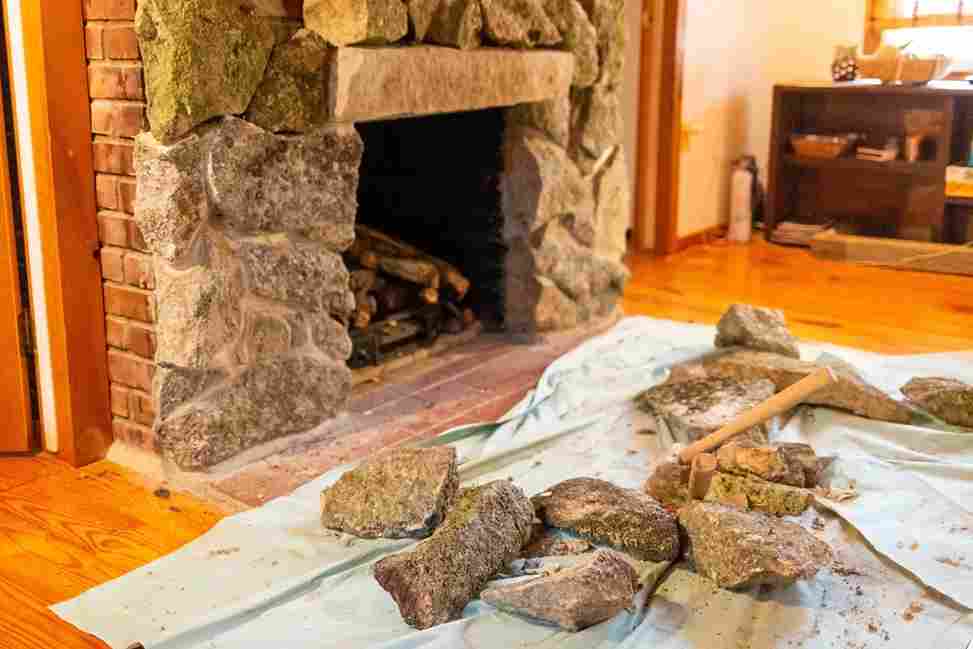
Outdoor fireplaces have become one of the most requested hardscape additions in Ithaca, and the reasons make practical sense. The shoulder seasons here, those cool May evenings and crisp October nights before the first hard freeze, create exactly the conditions where an outdoor fire space adds real, usable time to any backyard. Homeowners in Belle Sherman and Northeast Ithaca have been incorporating stone work around fireplace structures into their properties at a steady rate, and the results last when the installation is done correctly.
Stone work around a fireplace is not a straightforward project, even when the finished result looks effortless. The materials need to handle direct heat, freeze-thaw pressure, and decades of full outdoor exposure without cracking, shifting, or separating at the joints. A stone surround built without proper footings, the right mortar mix, or heat-rated materials will show its failures within a few seasons, usually as cracked joints, spalling stone faces, or structural settling that compromises the entire assembly.
This article covers what stone work around a fireplace actually involves, which materials perform best in Ithaca’s climate, what realistic installation costs look like, and why professional installation makes a measurable difference in how long the finished project holds up.
Key Takeaways
- Stone work around a fireplace involves material selection, proper footings, heat-rated mortar, and drainage planning that all affect long-term durability.
- Natural stone options like bluestone, fieldstone, and cut granite each perform differently under Ithaca’s freeze-thaw conditions.
- Poor installation, including incorrect mortar mix, undersized footings, or no drainage planning, leads to cracking, spalling, and structural failure.
- Outdoor fireplace stonework in the Ithaca area typically ranges from $5,000 to $15,000 or more depending on stone type, design scope, and site conditions.
- The reliable installation window in Ithaca runs from late May through mid-September, when temperatures allow proper mortar curing.
- Professional installation is the most reliable path to stonework that handles Ithaca winters without requiring significant repair in the first few seasons.
Stone Work Around a Fireplace: What the Project Actually Involves
Stone work around a fireplace is a category of hardscape masonry that combines aesthetic design with structural and thermal requirements. For outdoor installations, the stonework typically covers the firebox surround, the hearth extension, the outer facing of the fireplace structure, and in many cases the chimney cap or crown. Each of those components serves a functional role, not just a visual one, and each one is exposed to different stresses over its service life.
The structural demands of outdoor fireplace stonework are significant. The surround faces direct radiant heat on one side and full outdoor conditions, including rain, freeze-thaw cycles, and temperature swings of 80 degrees or more over the course of a year, on the other. That combination of thermal stress and weather exposure means that material choice and installation method matter more here than in almost any other hardscape application.
VP Designs Lawn & Landscape treats outdoor fireplace stonework as part of a broader hardscape system rather than an isolated feature. That means the fireplace structure is planned alongside the surrounding patio surface, drainage grade, and planting areas from the beginning. A stonework project installed without accounting for how water moves around the base and how the surrounding grade behaves through Ithaca winters will show problems sooner than one where all those elements were coordinated from the start.
Which Stone Materials Hold Up in Ithaca’s Climate?
Material selection is where many outdoor fireplace projects get off track before installation even begins. Not all stone handles the combination of high heat and hard winters equally well. The freeze-thaw cycle that Ithaca properties experience from November through March puts real stress on porous stone, and the thermal expansion and contraction from repeated heating and cooling compounds that stress significantly over time.
Natural bluestone is one of the strongest performers for outdoor fireplace surrounds in this region. It is dense, handles temperature variation reliably, and is widely available in the Finger Lakes area. Cut granite is another excellent choice: extremely hard, very low porosity, and highly resistant to both heat and freeze-thaw movement. Fieldstone has a natural visual appeal that fits Ithaca’s aesthetic well, but it requires more attention to mortar joint quality and drainage because its irregular surface creates more pathways for water infiltration.
What to avoid matters just as much as what to choose. Soft or highly porous stone types absorb water readily, which means freeze-thaw cycles cause them to crack and spall at the face within a few winters. Manufactured stone veneers that are not rated for high-heat applications will delaminate with repeated fireplace use. Standard exterior mortar is also not adequate for a fireplace surround, and using the wrong product creates structural failure at every joint over time.
Professional Installation vs. DIY
Stone work around a fireplace attracts significant DIY interest, and the clean look of well-executed stonework makes the project appear more manageable than it is. The failure points are structural rather than cosmetic, and they typically take a season or two to fully reveal themselves, which is part of why DIY attempts often seem successful at first.
The most common DIY failures in outdoor fireplace stonework involve footings and mortar. An outdoor fireplace requires a footing placed below the frost line, which in Ithaca means a minimum depth of 48 inches. Undersizing or skipping that footing results in frost heaving that cracks the entire stone assembly above ground level. Using standard exterior mortar instead of a heat-rated mix means joint failure within one season of regular use. Setting stone without accounting for base drainage creates a moisture problem that works against every element built above it.
Professional masonry accounts for all of those variables before the first stone is placed. The footing is sized and located correctly, the mortar is matched to the thermal demands of the application, and drainage is planned into the base from the start. You can see what a properly scoped hardscape and stonework project looks like and what separates installation methods that perform well in this climate from those that don’t.
What Does Stone Work Around a Fireplace Cost?
Outdoor fireplace stonework in the Ithaca area varies considerably based on stone type, design complexity, structure size, and site conditions. As a general framework, stone surround and facing work typically falls in the $25 to $50 per square foot range, with full outdoor fireplace projects running from $5,000 to $15,000 or more depending on scope. Fieldstone installations sourced locally can come in toward the lower end of that range, while cut granite and bluestone with custom detailing will trend higher.
What pushes costs beyond initial estimates is incomplete planning at the project outset. Homeowners who discover footing or drainage problems mid-installation, or who add scope after work has begun, almost always spend more in the end than if the project had been properly scoped before the first stone was set. The consequences of poor installation also compound over time: frost-heaved stones require full base reconstruction rather than surface patching, failed mortar joints allow water infiltration that accelerates further damage with each freeze-thaw cycle, and structural settling can destabilize the entire fireplace assembly if the footing was undersized. Explore the full range of professional hardscape services for Ithaca-area properties to understand what a complete, properly planned project covers.
Timing Your Stone Work for Ithaca’s Season
Mortar-based stonework has temperature requirements that Ithaca’s climate makes directly relevant for a large portion of the year. Most mortar products require ambient temperatures above 40°F for a minimum of 48 to 72 hours after setting, with optimal curing conditions in the 50 to 80°F range. That window effectively limits outdoor fireplace stonework to late May through mid-September in most Ithaca years.
Attempting stonework in early spring, when overnight temperatures still drop below freezing regularly, risks mortar that freezes before it cures and loses bonding strength at every joint. Fall installations are possible but require close attention to the forecast as temperatures start dropping after mid-September. A project that looks complete in early October but experienced freeze events during curing may not reveal its joint failures until the following spring, when the full cost of the problem becomes clear.
Scheduling early in the season is the smarter approach for most homeowners. It allows the project to cure fully before winter, and it gives a full outdoor season of use before Ithaca’s colder months close out the entertaining window. Good snow and ice management around hardscape features through winter also helps protect stone joints and mortar from the ice buildup that accelerates freeze-thaw damage over the course of a season. Pairing that with professional landscape maintenance of the surrounding patio and planted zones keeps the full outdoor space in good condition year-round.
VP Designs Lawn & Landscape serves Ithaca, New York and the surrounding areas with stonework and hardscape expertise built for Finger Lakes conditions. Every project starts with a site evaluation covering footing requirements, drainage, and stone selection before any installation work begins. If you’re planning stone work around a fireplace structure, whether that is a full outdoor fireplace or a fire pit surround, the team builds the project to hold up through hard winters from the ground up. Call (607) 592-5505 to talk through your project goals, or schedule a consultation through the contact page to get a site visit on the calendar.
Frequently Asked Questions About Stone Work Around a Fireplace
Q: What stone types hold up best for outdoor fireplace work in Ithaca?
A: Bluestone and cut granite are the strongest performers in Ithaca’s climate. Both are dense, low-porosity, and handle repeated heating and cooling without cracking or spalling. Fieldstone is a popular local aesthetic choice but requires more precise mortar work and drainage planning to manage water infiltration through its irregular face.
Q: Can I do stone work around a fireplace myself?
A: Some surface-level stone veneer work is manageable for experienced DIYers, but outdoor fireplace stonework involves footing depth requirements, heat-rated mortar, and drainage planning that are easy to get wrong without masonry experience. Footing failures and incorrect mortar mix are the two most common DIY errors, and both require significant demolition and reconstruction to correct properly.
Q: How much does outdoor fireplace stonework cost in the Ithaca area?
A: Stone surround and facing work typically runs $25 to $50 per square foot, with full outdoor fireplace projects ranging from $5,000 to $15,000 or more depending on stone type, design scope, and site complexity. Difficult access, poor drainage conditions, or custom stone detailing push costs toward the upper end of that range.
Q: What happens if mortar is applied during cold temperatures in Ithaca?
A: Mortar that freezes before it fully cures loses its bonding strength at every joint. The surface may look intact from the outside, but the structural integrity is compromised throughout. Freeze events during curing are one of the leading causes of early joint failure in Ithaca outdoor stonework, which is why scheduling installation between late May and mid-September is the most reliable approach.
Q: How should I maintain stone work around a fireplace after installation?
A: Inspect mortar joints each spring after the ground thaws, looking for cracks, gaps, or spalling at the stone face. Repointing deteriorated joints promptly prevents water infiltration that compounds through each freeze-thaw cycle. The base area should also be checked for drainage, making sure water is not pooling at the footing level after heavy spring rain or snowmelt events.
Conclusion
Stone work around a fireplace is one of the more durable and high-return hardscape investments a homeowner can make, provided it is done with the right materials, the right installation methods, and a clear understanding of what Ithaca’s climate demands. The freeze-thaw cycle here is not forgiving to stonework with soft footings, wrong mortar, or inadequate drainage. But when those fundamentals are handled correctly, a stone fireplace surround performs reliably for decades without requiring major intervention.
The difference between a project that holds and one that cracks within a season comes down almost entirely to decisions made before the first stone is placed: footing depth, material selection, mortar specification, and drainage grading. Getting those decisions right requires real experience with local soil, local climate, and the specific demands of fireplace masonry in a cold-weather region. That foundation of knowledge is what turns a beautiful installation into a feature that still performs the same way twenty years from now.