Most Ithaca homeowners think about landscaping in terms of plants, but it’s often the structural elements, the stone, concrete, and graded surfaces, that determine how well a yard actually functions. On West Hill, where spring runoff can move a significant amount of soil in a single afternoon, or in Collegetown, where steep grades create constant pressure on yard edges and foundations, hardscape is what separates a yard that holds from one that erodes. Understanding what does hardscape do gets to the heart of why it matters far beyond its visual role.
Hardscape is not only about appearances. It controls water movement, prevents soil loss, creates usable outdoor areas, and defines the structural logic of a yard. When hardscape is planned and installed correctly, it supports every other element around it, including the plantings, the lawn, and the grade itself. When it’s done poorly or skipped entirely, the consequences show up quickly in Ithaca’s climate.
This article covers the practical functions of hardscape, how it interacts with the rest of your property, and what Ithaca homeowners need to know before making any hardscape investment. You’ll find coverage of drainage and erosion control, seasonal installation timing, property value, and the real consequences of skipping proper installation. By the end, you’ll have a clearer picture of what hardscape actually does and why it matters on the kinds of lots common throughout this region.
Key Takeaways
- Hardscape manages water movement, prevents erosion, stabilizes slopes, and creates firm, usable outdoor surfaces.
- In Ithaca’s freeze-thaw climate, properly installed hardscape protects surrounding soil and plantings from seasonal damage.
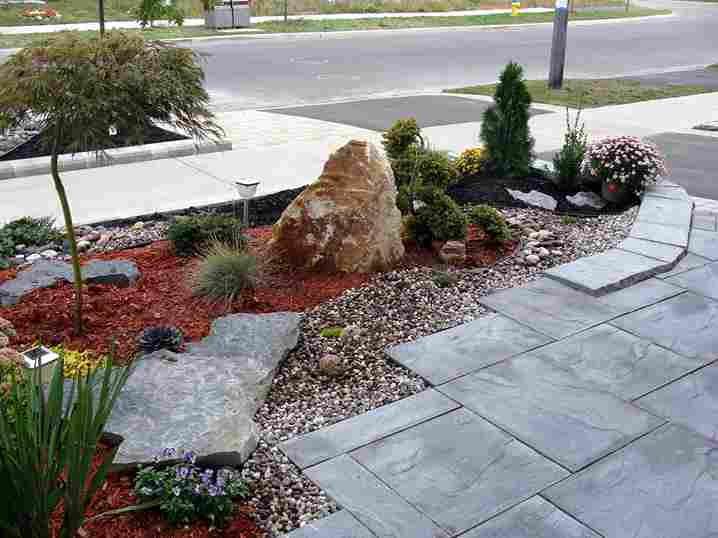
- Common hardscape features include patios, retaining walls, walkways, driveways, steps, and decorative edging.
- Poor hardscape installation leads to frost heaving, drainage failure, erosion, and structural repairs that cost far more than a correct installation would have.
- The best window for hardscape work in Ithaca runs from late April through mid-October, after the ground thaws and before hard freezes return.
- Professional installation is the most reliable way to get hardscape that performs correctly from the first season through the long term.
What Does Hardscape Do for Your Property?
Understanding what does hardscape do starts with recognizing that hardscape is the structural layer of any outdoor space. It includes every non-living, fixed element: patios, retaining walls, walkways, driveways, steps, and edging borders. These aren’t decorative additions; they perform specific functions that affect how water moves through a yard, how the soil behaves under pressure, and how the property holds up through seasonal extremes.
The functions of hardscape fall into a few key areas: drainage management, erosion control, slope stabilization, usable surface creation, and long-term property value. Each of those functions matters on any residential lot, but they matter especially in a place like Ithaca, where clay-heavy soils, hillside terrain, and a demanding freeze-thaw cycle put real stress on properties that aren’t structurally supported. Properties without adequate hardscape structure tend to show their vulnerabilities quickly: erosion after a hard rain, pooling water near the foundation, or slopes that shift noticeably after a wet spring.
VP Designs Lawn & Landscape treats hardscape as a functional system, not just a visual one. Every project begins with an evaluation of drainage, grade, and soil conditions before any material decisions are made. That approach produces hardscape that performs correctly across seasons, not hardscape that looks good at installation and starts showing problems the following spring.
What Does Hardscape Do for Drainage and Erosion Control?
Drainage is the most critical function hardscape performs in most Ithaca yards. Without hardscape structure, a yard sheds water wherever gravity takes it, which usually means toward foundation walls, planting beds, or neighboring properties. Properly installed hardscape redirects that water intentionally, using graded surfaces and drainage channels to move runoff where it won’t cause damage.
On sloped lots, which cover a significant portion of Ithaca’s residential properties, hardscape also controls erosion directly. Retaining walls hold back soil that would otherwise migrate downhill during heavy rain or snowmelt events. Walkways and paved surfaces reduce the volume of water that contacts bare soil directly. Even a simple edging system around a planting bed prevents topsoil loss that would otherwise strip nutrients and plant support from the bed over time.
The relationship between hardscape and drainage is why material choice and grading details matter so much. A patio installed without a slope toward a designated drainage outlet will pool water and push it toward the house. A retaining wall without weep holes will trap hydrostatic pressure until it fails. Getting these details right from the start is what separates a professionally installed hardscape and stonework project from one that causes problems within a few seasons.
What Does Hardscape Do for Structure and Usability?
Hardscape converts raw outdoor space into areas people actually use. Without it, a yard is largely inaccessible in wet conditions, undefined in layout, and difficult to maintain consistently. A well-placed patio creates an outdoor living area, a set of stone steps makes a sloped yard navigable, and a gravel walkway connects areas of the property without turning a lawn into a muddy path every wet spring.
Structure matters especially on Ithaca’s terrain, where sloped lots often leave large portions of a property awkward or unusable without hardscape intervention. Retaining walls can convert a steep grade into tiered planting areas or level entertaining space. Properly built steps make a hillside lot functional rather than frustrating. These aren’t luxury additions; they’re practical solutions to terrain challenges that are common across the region.
Usability also affects how well a yard is maintained over time. A yard with defined hardscape zones is easier to mow, easier to plant, and easier to manage through the seasonal transitions that Ithaca properties go through every year. Homeowners who combine solid hardscape with consistent professional landscape maintenance tend to get the most sustained value out of both investments.
Hardscape and Property Value
Hardscape is one of the few outdoor investments that delivers both functional and financial return. A well-built patio, a properly installed retaining wall, and a clean walkway system improve curb appeal, expand usable living space, and signal to buyers that the property has been maintained with care. In the Ithaca market, where many homes sit on challenging terrain, hardscape that solves a real slope or drainage problem adds measurable value beyond appearance.
Patio installation in the Ithaca area typically runs $18 to $35 per square foot installed, depending on materials and site conditions. Retaining walls range from $25 to $50 per square foot. Hardscape installed correctly holds its value; hardscape installed without proper preparation becomes a liability that requires repair or replacement before the investment pays back.
The Risk of Getting It Wrong
The consequences of poor hardscape planning are specific and often expensive. Frost heaving is among the most common problems in Ithaca’s climate: when a patio or walkway base isn’t compacted to the correct depth or doesn’t drain properly, the freeze-thaw cycle will lift and shift the surface year after year until the base requires full reconstruction. A retaining wall without adequate drainage behind it will bow, crack, or fail outright under hydrostatic pressure over time.
DIY hardscape projects tend to underestimate base depth, skip drainage planning, and misjudge grading requirements. The surface may look acceptable at first, but failure shows up within one or two freeze-thaw cycles in most cases. Fixing a failed base means removing the entire surface installation and rebuilding from scratch, which costs significantly more than a correct installation from the start. Explore the full range of professional landscaping services available for Ithaca-area properties to understand what quality hardscape installation actually involves.
When to Schedule Hardscape Work in Ithaca
The window for quality hardscape installation in Ithaca runs from late April through mid-October. The ground needs to be fully thawed and dry enough for base compaction to hold before installation begins. Working too early in spring, when soils are still saturated from snowmelt, leads to settling and heaving that undermine even a well-intended project.
Fall is a workable window for hardscape, but timing matters. Projects should wrap up before temperatures drop consistently below freezing, typically by mid to late October in the Ithaca area. Mortar joints, concrete, and compacted bases all need adequate cure time before the first freeze, and pushing that timeline creates weak points that winter conditions will find quickly.
For high-traffic areas adjacent to hardscape, where natural grass struggles to stay healthy under repeated use, artificial turf installation is a practical option worth considering. It holds up through the full Ithaca season without requiring the same establishment care that turf grass needs near hardscape edges. This makes it a particularly good fit for narrow strips or heavily trafficked zones between hardscape elements.
VP Designs Lawn & Landscape serves Ithaca, New York and the surrounding areas with hardscape installation built on real knowledge of Finger Lakes terrain and climate. Whether your project involves a new patio, a retaining wall on a difficult slope, or a walkway system that holds up through hard winters, the team plans and builds hardscape that does its job from the first season forward. Call (607) 592-5505 to talk through what does hardscape do for your specific property and get a plan that fits the site, the conditions, and the budget. You can also reach out through the contact page to schedule a site visit at your property.
Frequently Asked Questions About What Does Hardscape Do
Q: What does hardscape do that plants and lawn alone can’t?
A: Hardscape provides structural functions that living elements cannot replicate: redirecting water, stabilizing slopes, preventing erosion, and creating firm surfaces for foot traffic. In Ithaca’s clay-heavy soil and sloped terrain, hardscape is often what keeps the rest of the yard from shifting, flooding, or washing out during heavy rain or spring snowmelt events.
Q: What does hardscape do for drainage specifically?
A: Hardscape redirects surface water away from foundations, planting beds, and low areas by creating graded surfaces and defined drainage paths. Retaining walls also manage the hydrostatic pressure that builds up behind slopes. Without that structure, water follows the path of least resistance, which in most Ithaca yards means straight into areas where it causes damage.
Q: How much does hardscape installation cost in the Ithaca area?
A: Patio installation runs $18 to $35 per square foot installed, depending on materials and site complexity. Retaining walls range from $25 to $50 per square foot. Projects on steep or access-restricted lots, which are common in neighborhoods like Collegetown and West Hill, typically land toward the higher end of those ranges due to grading demands.
Q: What are the biggest risks of DIY hardscape installation?
A: Insufficient base depth, poor drainage planning, and incorrect grading are the three most common DIY failure points. All three lead to frost heaving and surface cracking that require full base removal and reinstallation to correct. The surface may look fine initially, but most DIY hardscape problems become visible after the first Ithaca winter puts real stress on the base.
Q: When is the best time to schedule hardscape work in Ithaca?
A: Late April through mid-October is the reliable installation window. The ground needs to be fully thawed and drained before compaction will hold. Fall installation is feasible but must be completed before consistent below-freezing temperatures arrive, typically by late October, to allow adequate curing time before the ground closes for winter.
Q: Does hardscape need ongoing maintenance after installation?
A: Hardscape should be inspected each spring for shifted pavers, drainage issues, or wall movement caused by the freeze-thaw cycle. Paver joint sand needs periodic replenishment, and drainage outlets should be cleared seasonally. Pairing these checks with professional landscape maintenance visits is the most efficient way to catch small problems before they become structural repairs.
Conclusion
Understanding what does hardscape do changes how you think about your yard. It shifts hardscape from a visual category to a functional one, which is the right frame for making smart decisions about where to invest and why. Drainage, erosion control, slope stabilization, usable space, and long-term property value are all things hardscape delivers when it’s planned and installed with the right methods and materials.
In Ithaca’s climate and terrain, those functions aren’t optional extras. They’re what keeps a property stable, accessible, and manageable through freeze-thaw cycles, heavy spring runoff, and the soil challenges that come with Finger Lakes geography. A yard built on a solid hardscape foundation requires far less reactive work and holds its value through the years ahead.