If you’ve spent any time looking at outdoor renovation ideas, you’ve probably run across the term “hardscape” without a clear explanation of what it actually means. Here in Ithaca, where freeze-thaw cycles can wreck poorly built stonework in a single winter, understanding what is hardscape landscaping isn’t just academic. It’s the difference between an outdoor investment that holds up for decades and one that crumbles before your mortgage is halfway paid.
Homeowners in Cayuga Heights and Belle Sherman deal with this constantly. Mature trees, clay-heavy soil, and hillside drainage patterns all shape what kind of hardscape features will actually work on a given property. This guide breaks down exactly what hardscape landscaping covers, why material and installation quality matter so much in the Finger Lakes region, and how to plan a project that fits both your property and your budget.
Key Takeaways
- Hardscape landscaping refers to all the non-living, structural elements of your outdoor space, including patios, walkways, retaining walls, and fire pits.
- Ithaca’s clay soils and severe freeze-thaw cycles make proper base preparation the single most important factor in hardscape longevity.
- Professional installation prevents the drainage failures, frost heaving, and settling that commonly ruin DIY hardscape projects within a few years.
- The best window for hardscape work in Ithaca runs from late May through mid-October, with early summer being the ideal start time.
- Hardscape features add measurable value to your property while reducing long-term landscape maintenance needs.
- Choosing materials rated for Zone 6a winters protects your investment against cracking and surface spalling.
What Is Hardscape Landscaping and Why Does It Matter in the Finger Lakes?
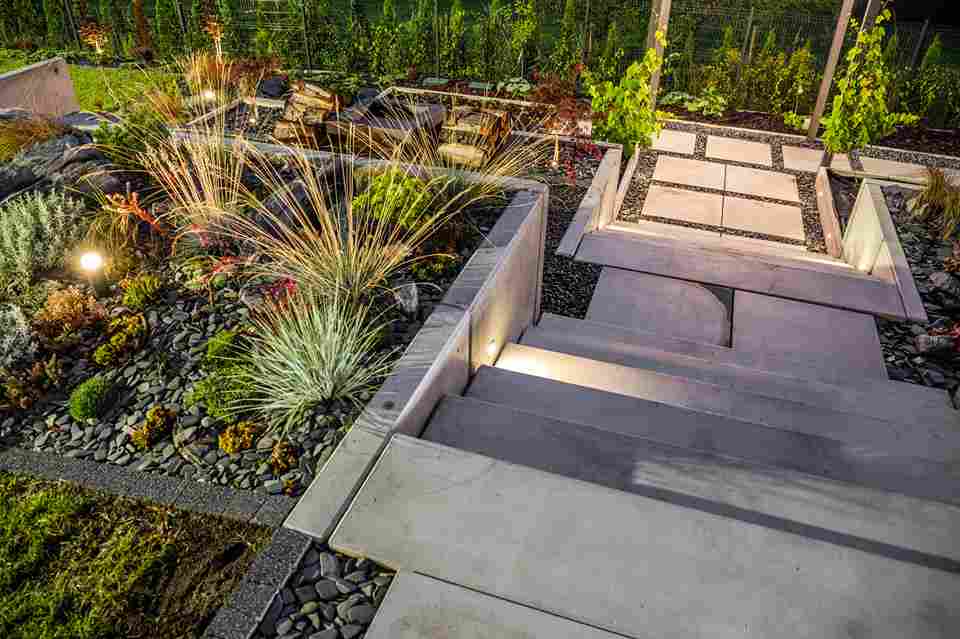
Hardscape landscaping covers every permanent, non-living structure in your yard. That includes patios, walkways, retaining walls, steps, driveways, fire pits, outdoor kitchens, and any built stone or concrete feature. If it’s not a plant, soil amendment, or mulch bed, it’s probably hardscape.
The distinction matters because hardscape and softscape (your plantings, lawn, and garden beds) serve different purposes and require different expertise. Hardscape provides the structural backbone of your outdoor living space. It defines traffic flow, manages grade changes, and creates usable areas on properties that might otherwise be too steep or too wet to enjoy.
VP Designs Lawn & Landscape approaches hardscape projects by evaluating soil conditions, drainage patterns, and grade challenges before recommending any materials or designs. In the Ithaca area, skipping that assessment is a recipe for expensive repairs. The clay and shale soils here behave differently than the sandy or loamy soils you’ll see referenced in most online guides, so cookie-cutter advice rarely applies.
Hardscape also plays a direct role in managing water on your property. Retaining walls redirect runoff, permeable pavers reduce pooling, and properly graded patios channel snowmelt away from your foundation. For a region that gets heavy spring runoff from hillside snowmelt, that functional side of hardscape is just as valuable as the aesthetic side.
Common Hardscape Features for Ithaca Properties
Most homeowners start asking what is hardscape landscaping when they’re considering one specific project, usually a patio or a retaining wall. But the category is broader than most people realize. Here’s what falls under the hardscape umbrella and how each feature performs in our climate.
Patios and Outdoor Living Areas
Patios are the most popular hardscape feature for a reason. A well-built patio extends your living space outdoors and gives you a flat, stable surface for furniture, grills, and gathering. In Ithaca, natural stone and concrete pavers are the top material choices because they handle freeze-thaw stress better than poured concrete slabs, which tend to crack along control joints after a few harsh winters.
Material selection matters more here than in milder climates. Bluestone, a regional favorite, performs well because it’s dense enough to resist moisture absorption. Cheaper imported stone or thin pavers can flake and spall after repeated freezing, leaving you with a surface that looks ten years old after just two seasons.
Retaining Walls
If your property sits on South Hill or any of Ithaca’s steeper slopes, you probably already know why retaining walls exist. They hold soil in place, prevent erosion, and create level areas on graded lots. Segmental block walls and natural stone walls are the two main options, and both require engineered drainage behind the wall face to handle the water pressure that builds up in our clay soils.
A retaining wall without proper drainage is a ticking clock. Hydrostatic pressure from trapped water will eventually push the wall forward, causing it to bow, lean, or collapse entirely. That failure usually shows up after a heavy spring thaw, right when the ground is most saturated.
Walkways, Steps, and Driveways
Hardscape walkways and steps connect different areas of your yard while keeping foot traffic off your lawn. For properties in Forest Home or Cornell Heights, where wooded lots and uneven terrain are common, stone or paver steps with proper footings solve both safety and accessibility problems. Driveways fall into the hardscape category as well, whether they’re asphalt, concrete, or permeable paver systems.
What Is Hardscape Landscaping Worth? Understanding Costs in Ithaca
One of the first questions homeowners ask after learning what is hardscape landscaping is how much it costs. The honest answer depends on the feature, the materials, and the complexity of your site. Ithaca’s terrain adds variables that flat-lot properties in other regions don’t face.
Patio installation in the Ithaca area typically runs $18 to $35 per square foot installed, depending on material choice and base preparation requirements. A standard 300-square-foot patio lands somewhere between $5,400 and $10,500. Retaining walls range from $25 to $50 per square foot, with taller walls and engineered designs pushing toward the higher end. You can explore options for hardscape and stonework projects to see what different scopes look like in practice.
These numbers reflect the full scope of professional work, including excavation, base material, compaction, drainage integration, and finish installation. When you see dramatically lower quotes, it usually means someone is cutting corners on base depth or skipping drainage altogether. That shortcut saves money up front but almost always leads to repair costs within three to five years.
Why Professional Installation Beats DIY for Hardscape
Online tutorials make hardscape projects look straightforward. Dig a hole, add some gravel, lay some pavers, and you’re done by Sunday. The reality in Ithaca is nothing like that, and the failures we see on DIY hardscape projects follow predictable patterns.
Base Preparation Failures
The most common DIY mistake is insufficient base depth and compaction. Ithaca’s clay-heavy soils don’t drain well on their own, so a hardscape base needs to be deep enough to provide drainage and stable enough to resist shifting. Most professionals use 6 to 8 inches of compacted crushed stone base for patios here. DIY projects frequently use 2 to 3 inches, which isn’t enough to prevent settling once the clay underneath absorbs water and expands.
Frost heaving is the direct result of a shallow base. Water trapped in the subgrade freezes, expands, and pushes individual pavers or stone sections upward. By the time your second winter is over, you’ve got an uneven surface with visible gaps and trip hazards. Fixing frost heave damage usually means tearing the entire project out and starting over with a proper base.
Drainage Mistakes
Grading and drainage are where DIY hardscape projects fail most often in this region. Every hardscape surface needs to shed water away from structures at a minimum slope of 1/8 inch per foot. On properties in East Ithaca and other low-lying areas where natural drainage is already poor, getting this wrong means water pools against your foundation or floods adjacent garden beds.
Professional installers also integrate drainage solutions like French drains, channel drains, or catch basins into the hardscape design from the start. Retrofitting drainage after a patio is already installed costs significantly more than including it in the original build. Pairing hardscape features with professional landscape maintenance keeps drainage pathways clear and functional season after season.
Choosing the Right Materials for Zone 6a Winters
Material selection is one area where understanding what is hardscape landscaping at a deeper level pays off. Not every paver, stone, or block product sold at big-box stores is rated for the conditions we deal with in Ithaca.
Absorption rate is the key specification to check. Stone and concrete products absorb moisture, and in Zone 6a, that moisture freezes and thaws dozens of times per season. Products with high absorption rates break down faster. Natural bluestone, granite, and high-density concrete pavers with absorption rates below 5% hold up the best here. Budget pavers with absorption rates above 8% tend to show surface spalling, flaking, and color loss within a few seasons.
Polymeric sand between paver joints is another detail that separates lasting hardscape from short-lived work. Standard joint sand washes out with every heavy rain, which loosens the interlocking paver system and allows weed growth. Polymeric sand hardens after activation and stays in place through rain and snowmelt, keeping the surface tight and stable. It’s a small upcharge that prevents ongoing maintenance headaches.
For retaining walls, make sure any block product carries a freeze-thaw durability rating suitable for our climate. Some manufactured wall blocks perform well in southern states but deteriorate quickly when exposed to Finger Lakes winters. Your installer should be able to show you product specifications and warranty terms that cover cold-climate use.
Best Time to Schedule Hardscape Work in Ithaca
Timing a hardscape project around Ithaca’s seasons is critical. The ground needs to be dry enough to excavate and compact properly, and temperatures need to stay above freezing for adhesives, polymeric sand, and mortar to cure.
Late May through mid-October is the realistic construction window. Early summer is the sweet spot because the ground has dried out from spring snowmelt, and you have the full season ahead to enjoy the finished space. Waiting until September or October is possible, but you’re racing against the first hard freeze, which typically arrives in late October. Projects started too late risk incomplete curing on mortared joints, which leads to cracking during the first freeze cycle.
Spring bookings fill up fast. If you’re planning a project for the coming season, reaching out to your contractor by late winter gives you the best chance at a June or July start date. Our page on all available services can help you scope out what your project might involve before that initial consultation.
How Hardscape Connects to the Rest of Your Landscape
Hardscape doesn’t exist in isolation. The best outdoor spaces balance structural features with plantings, lawn areas, and functional zones. A patio without surrounding beds or border plantings feels bare. A retaining wall without ground cover above it invites erosion right back to your doorstep.
That’s why understanding what is hardscape landscaping also means understanding how it interacts with softscape. Planting beds along hardscape borders soften edges, manage runoff, and add seasonal color. Native species like black-eyed Susan, switchgrass, and coral bells thrive in Zone 6a and pair well with stone or paver surfaces without demanding heavy maintenance.
For properties that get limited sun or heavy foot traffic, artificial turf installation can bridge the gap between hardscape surfaces and natural lawn. It’s especially practical in side yards and courtyard areas where grass struggles to establish. Integrating hardscape with thoughtful softscape planning creates an outdoor space that looks intentional and functions well through every season.
If you’re ready to explore what hardscape landscaping can do for your property, VP Designs Lawn & Landscape serves Ithaca, New York and the surrounding areas with hands-on design and installation expertise built from years of working on Finger Lakes properties. Call (607) 592-5505 to schedule a site visit and talk through your project, or visit our contact page to get started.
Frequently Asked Questions About What Is Hardscape Landscaping
Q: What is hardscape landscaping compared to softscape?
A: Hardscape includes all non-living structural elements like patios, walls, walkways, and fire pits. Softscape covers everything alive, such as plants, trees, lawn, and garden beds. Most Ithaca properties need both working together for proper drainage and usability.
Q: How long does a professionally installed patio last in Ithaca?
A: A patio built with proper base preparation and quality materials typically lasts 20 to 30 years in Ithaca’s climate. The key is using at least 6 inches of compacted base material to prevent frost heaving during our freeze-thaw cycles.
Q: What is the best material for hardscape projects in Zone 6a?
A: Natural bluestone and high-density concrete pavers with low absorption rates perform best. They resist the dozens of freeze-thaw cycles we get each winter. Avoid imported stone or budget pavers with absorption rates above 8%, as they tend to spall and flake within a few seasons.
Q: Do I need a permit for hardscape work in Ithaca?
A: It depends on the scope. Retaining walls over 4 feet typically require a building permit in the City of Ithaca and Town of Ithaca. Patios at grade level usually don’t need a permit, but setback requirements still apply. Your contractor should confirm this before breaking ground.
Q: How much does a retaining wall cost in the Ithaca area?
A: Retaining walls in the Ithaca area generally cost between $25 and $50 per square foot, depending on height, material, and site conditions. Properties on South Hill or other steep slopes may fall toward the higher end due to additional excavation and drainage requirements.
Q: Can hardscape features help with drainage problems on my property?
A: Yes. Permeable pavers, graded patios, and retaining walls with integrated French drains all manage water effectively. In Ithaca, where clay soils trap water near the surface, hardscape drainage solutions are often more effective than regrading alone.
Q: When should I start planning a hardscape project for next year?
A: Contact your contractor by late winter to get on the spring schedule. The best construction window in Ithaca runs from late May through mid-October, and early summer slots fill quickly. Starting the design conversation in February or March gives you the best timeline options.
Q: Does hardscape increase property value?
A: Quality hardscape work consistently adds value, particularly in Ithaca’s competitive housing market. A well-designed patio or stone walkway improves curb appeal and extends usable living space, both of which buyers in neighborhoods like Cayuga Heights and Belle Sherman actively look for.
Conclusion
Hardscape landscaping gives your outdoor space structure, function, and durability that plantings alone can’t provide. In a climate as demanding as Ithaca’s, the quality of that structural work determines whether your investment lasts two years or twenty-five.
Every detail counts here, from base depth and material selection to drainage integration and seasonal timing. The Finger Lakes region punishes shortcuts, and the cost of fixing failed hardscape almost always exceeds the cost of doing it right the first time.
Whether you’re considering your first patio, planning a retaining wall for a sloped lot, or rethinking your entire outdoor layout, start with a clear understanding of what your property needs and a realistic timeline for getting it done. The right hardscape plan, built by people who know this area, will serve you well for decades.